The power of Apple.
Put to work.
Small businesses everywhere use Apple technology to optimize and scale seamlessly and securely.
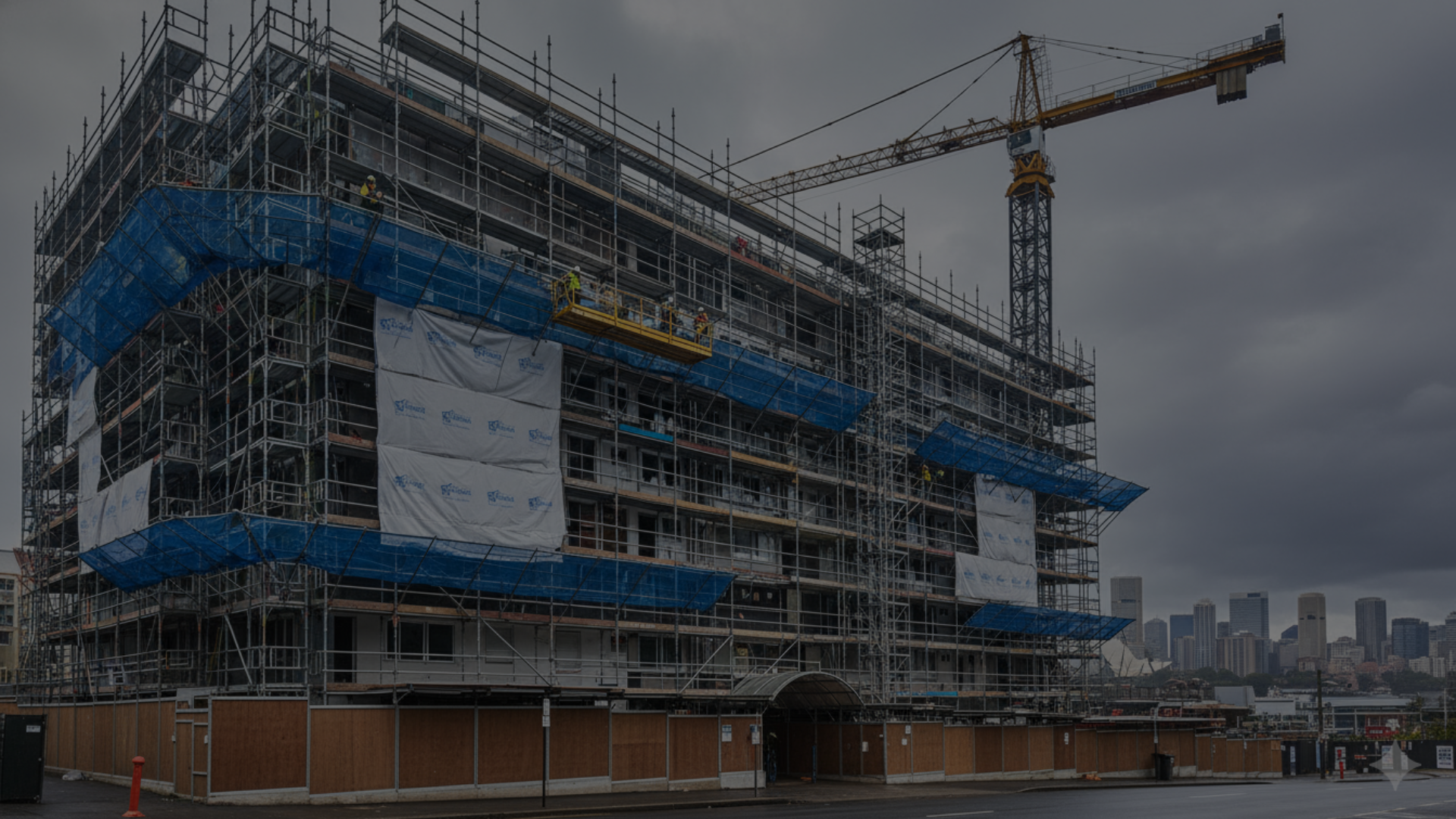
A major loss event — fire, flood, structural collapse, or storm impact — can take a building to its knees. But reinstatement isn't about just putting it back the way it was. It's about returning it to service in a way that's stronger, safer, compliant with current codes, and positioned for decades of performance.
Our Full Building Reinstatement process is built on three core principles: accuracy in assessment, excellence in rebuild, and alignment with insurer and stakeholder goals.
Our Reinstatement Process
- Forensic Loss Assessment
- Detailed site inspection and structural analysis to quantify the extent of damage.
- Non-invasive testing (e.g., moisture mapping, thermal imaging) to uncover hidden damage.
- Hazard mapping for compromised structural elements, hazardous materials, and unsafe access points.
- Design & Compliance Upgrades
- Work with architects and engineers to develop reinstatement plans that meet or exceed NCC and Australian Standards.
- Integrate fire safety upgrades, accessibility improvements, and modern energy efficiency measures where feasible.
- Engage heritage consultants if the property holds heritage value.
- Stakeholder & Insurer Alignment
- Present reinstatement scope, timelines, and cost estimates to insurers for approval.
- Maintain clear communication with owners, strata committees, and tenants to minimise disputes.
- Secure all relevant permits, DA/CDC approvals, and compliance certifications.
- Demolition & Hazard Removal
- Selective demolition of damaged components while preserving salvageable elements.
- Removal and disposal of asbestos, contaminated materials, and hazardous waste under strict WHS protocols.
- Rebuild Execution
- Structural reconstruction including slabs, framing, roofing, and façade systems.
- Installation of new electrical, plumbing, HVAC, and fire services to current compliance levels.
- Replacement of internal finishes — flooring, joinery, paint, fixtures — matched or upgraded from pre-loss condition.
- Quality Control & Handover
- Layered QA inspections at each stage of construction.
- Final insurer-approved defect rectification and compliance certification.
- Comprehensive handover pack including warranties, maintenance manuals, and completion reports.
Why This Matters
Poorly managed reinstatement can create long-term liabilities — latent defects, compliance breaches, insurance disputes, and premature failures. Atomic Projects approaches every reinstatement as if we're building our own asset: no shortcuts, no grey areas, no tolerance for substandard work.
The outcome is a building that not only meets its pre-loss condition but is often better, safer, and more valuable than before the incident.
Frequently Asked Questions
How long does a full building reinstatement take?
A full reinstatement typically ranges from 3 to 18 months depending on the scale and complexity of the loss. Small commercial or residential buildings may take 3–6 months, while large strata or multi-storey buildings can take 12–18 months. We provide a detailed construction programme as part of the scoping phase.
Will the building meet current building codes after reinstatement?
Yes. Under the NCC (National Construction Code), reinstatement works often trigger mandatory upgrades to fire safety, accessibility, and energy efficiency standards. We integrate these requirements into the design phase so there are no compliance surprises during construction or at handover.
How do you manage communication with insurers and loss adjusters?
We assign a dedicated project manager who acts as the single point of contact for insurers, loss adjusters, strata committees, and building owners. All scope changes, progress updates, and cost reconciliations are documented and communicated proactively to avoid delays and disputes.
Can reinstatement include upgrades beyond the pre-loss condition?
Yes, where approved by the insurer. Common upgrades include improved waterproofing systems, upgraded fire services, modern cladding, and energy-efficient glazing. We present upgrade options during the design phase and work with insurers to determine what falls within the policy scope.
What happens if hidden damage is discovered during the rebuild?
Hidden damage is common in major loss events. Our forensic assessment process is designed to minimise surprises, but when additional damage is found, we document it immediately, prepare a variation scope with costings, and submit it to the insurer for approval before proceeding. This keeps the project on track without exposing stakeholders to cost blowouts.
Related Services
- Insurance Scope Preparation & Costing
- Concrete Spalling & Cancer Repair
- Basement & Negative Waterproofing
- Façade Preservation & Repair
- Defect Warranty Works
If you're ready to get started, we're ready to help.
Take the next step and let's build something that lasts.
📞 Call Us: 0410 515 509
✉️ Email Us: hello@atomicprojects.com.au
— Ben Tran, General Manager, Atomic Projects
