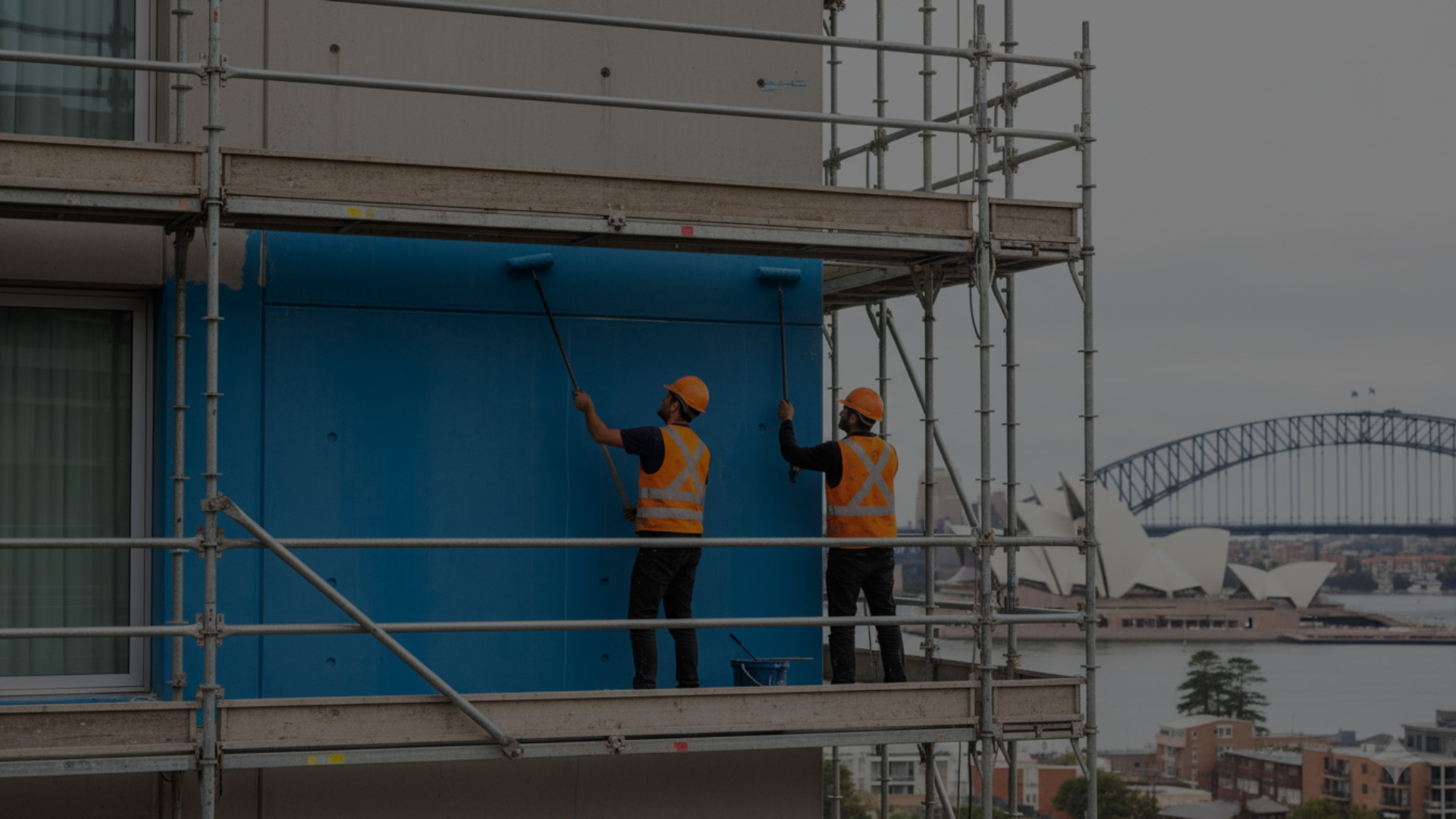
A heritage façade is more than a decorative shell — it's the public face of the building, a statement of history, craftsmanship, and identity. Over decades, exposure to weather, pollution, and structural movement erodes not just the surface, but the structural and aesthetic integrity of the façade. At Atomic Projects, we combine traditional restoration craftsmanship with modern building science to bring heritage façades back to life while meeting the highest standards of conservation compliance.
Detailed Condition Assessment
Every façade restoration project begins with a comprehensive heritage condition report, including:
- Material Analysis – Identify original stone, brick, or render composition to select matching repair materials.
- Defect Mapping – Pinpoint areas of cracking, spalling, efflorescence, and mortar degradation.
- Structural Integrity Checks – Assess for bulging walls, corroded steel reinforcement, and compromised load-bearing elements.
- Moisture & Salts Testing – Identify water ingress sources and salt contamination that lead to long-term decay.
Repair & Preservation Techniques
- Stone & Brick Replacement
- Sourcing matching heritage bricks or stone from reclaimed or specialist suppliers.
- Cutting, dressing, and integrating new material seamlessly into existing façades.
- Lime Mortar Repointing
- Removing failed cementitious mortar and replacing with breathable lime mortar to prevent moisture entrapment.
- Crack Stitching & Masonry Stabilisation
- Stainless steel helical bars and resin injection to secure cracked or displaced masonry without visible alteration.
- Render Repair & Replacement
- Using traditional lime renders or specialist heritage-compatible systems to replicate original finishes.
- Surface Cleaning & Protection
- Gentle cleaning techniques such as steam, micro-abrasion, or chemical poultice to remove grime without damaging the substrate.
- Application of breathable water-repellent coatings for long-term protection.
Compliance & Conservation Standards
All works are carried out in line with:
- Australia ICOMOS Burra Charter principles for conservation.
- Local heritage council and state planning requirements.
- Archival documentation of all interventions for heritage record-keeping.
Why This Matters
- Preserves Architectural Integrity – Ensures the building retains its historic character for decades to come.
- Prevents Structural Decline – Addresses early-stage damage before it becomes a major structural issue.
- Protects Asset Value – Well-maintained heritage façades significantly increase the property's market appeal.
- Meets Legal Requirements – Avoids costly fines or rework due to non-compliance with heritage protection laws.
Why Choose Atomic Projects
- Specialist Heritage Trades – Masons, renderers, and conservators trained in traditional techniques.
- Material Authenticity – Access to heritage-matched materials for a seamless finish.
- Integrated Approach – We handle both structural repairs and aesthetic restoration.
- Minimal Disruption – Staged work plans to maintain building operations during restoration.
Frequently Asked Questions
What is the difference between lime mortar and cementitious mortar, and why does it matter for heritage façades?
Lime mortar is softer, more flexible, and more porous than cementitious mortar. In heritage buildings, lime mortar was used because it is sacrificial — it weathers before the masonry units, protecting the bricks or stone from damage. If cementitious mortar is used on a heritage façade, the harder mortar can force moisture into the masonry units rather than allowing it to evaporate through the joint, causing spalling, cracking, and accelerated deterioration of the original fabric. We always use compatible lime-based mortars on heritage façades.
How do you clean a heritage façade without damaging it?
Cleaning heritage surfaces requires careful selection of technique based on the substrate and contamination type. We use gentle methods including low-pressure steam cleaning, controlled micro-abrasive blasting with appropriate media, and chemical poultice treatments. We never use high-pressure water blasting or aggressive acid washes on heritage masonry — these techniques damage the surface, accelerate weathering, and remove protective surface layers that took decades to form.
My building has salt efflorescence staining on the façade. Is this serious?
Efflorescence — the white salt deposits that appear on masonry surfaces — is a visible sign of water movement through the wall. While the deposits themselves are relatively harmless, they indicate active moisture ingress that, if left unaddressed, will accelerate masonry decay, mortar erosion, and reinforcement corrosion. Efflorescence on a heritage façade warrants a moisture investigation to identify the source, followed by repointing, waterproofing, or drainage improvements as appropriate.
Can a heritage façade be repaired without council approval?
Like-for-like, minor repairs — such as patching isolated cracks with matching mortar or replacing a single damaged brick with a matching unit — are often considered exempt development under NSW legislation. However, more extensive works, any changes to materials or appearance, and work on State Heritage Register items generally require council approval and a Heritage Impact Statement. We assess each project individually and advise on approval requirements before commencing any works.
How do you ensure new materials blend seamlessly with the original façade?
Material matching is a combination of science and craft. We take physical samples of existing brick, stone, mortar, or render and send them for laboratory analysis to determine composition. We then source or commission materials with matching characteristics — colour, texture, porosity, and strength. On-site trials are conducted to assess visual compatibility before full application, and final blending is achieved through skilled application by tradespeople experienced in heritage finishes.
Related Services
With Atomic Projects, your heritage façade is not just repaired — it is preserved as a living piece of architectural history. Our work ensures the building stands proud for the next 100 years, in both appearance and performance.