
Chandos Street | St Leonards
$1M+ council-ordered ACP cladding replacement at Chandos St St Leonards. Mixed-use building, fire-safety regs, three jobs folded into one program — cladding, rooftop re-waterproofing, full window renewal — using shared access systems. Class 2 registered. NCC compliant. Independently inspected at every stage.
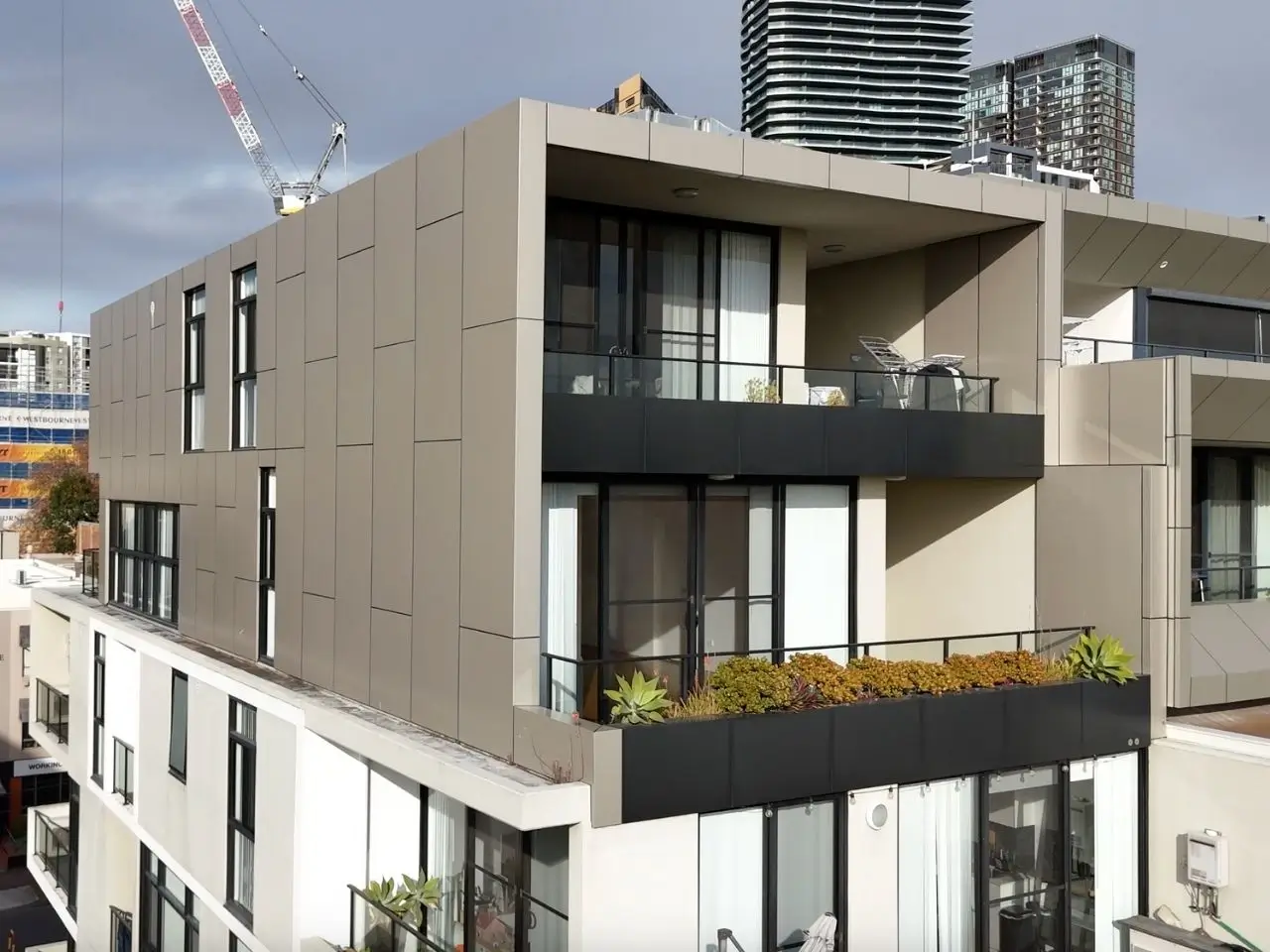
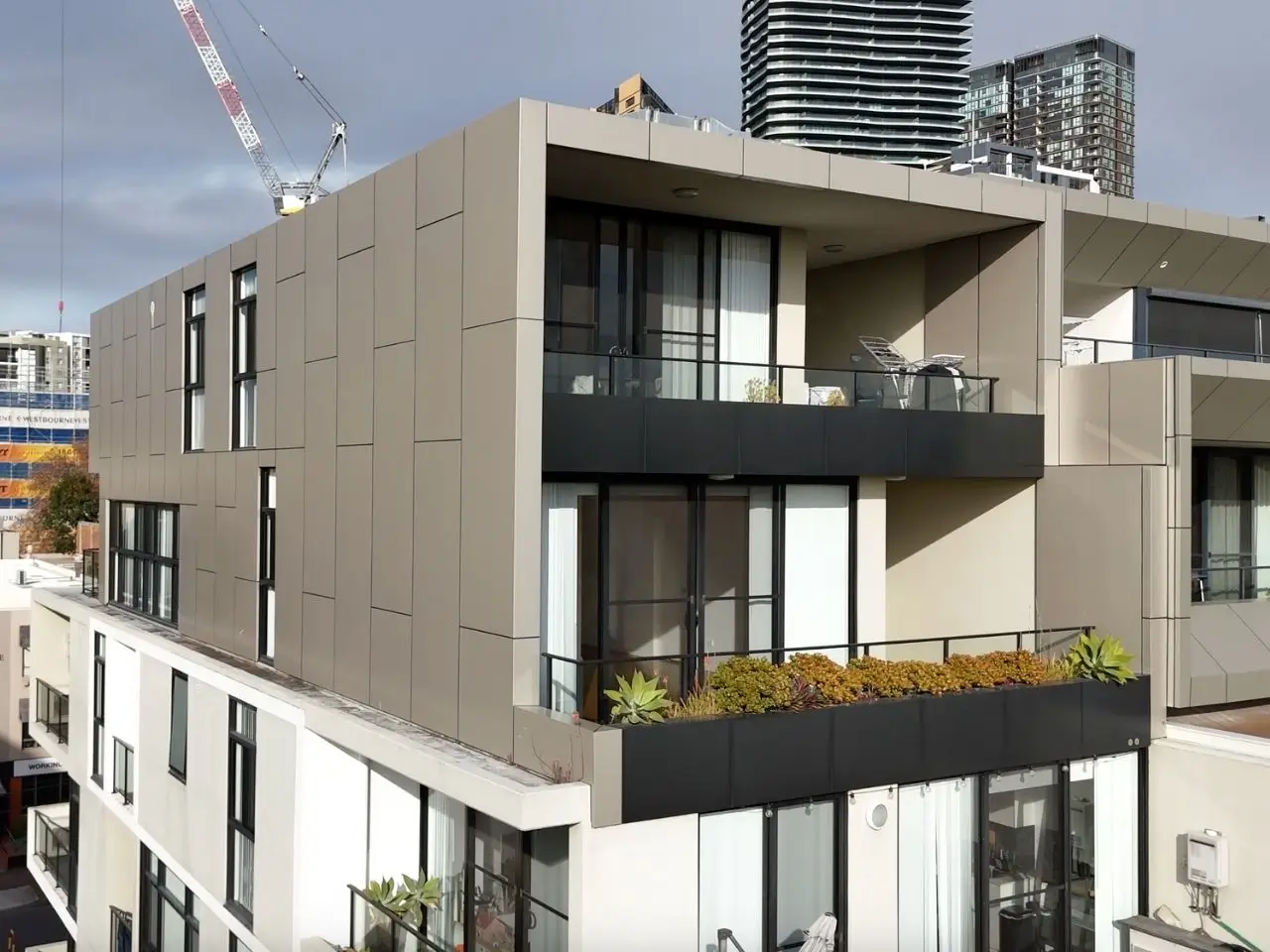
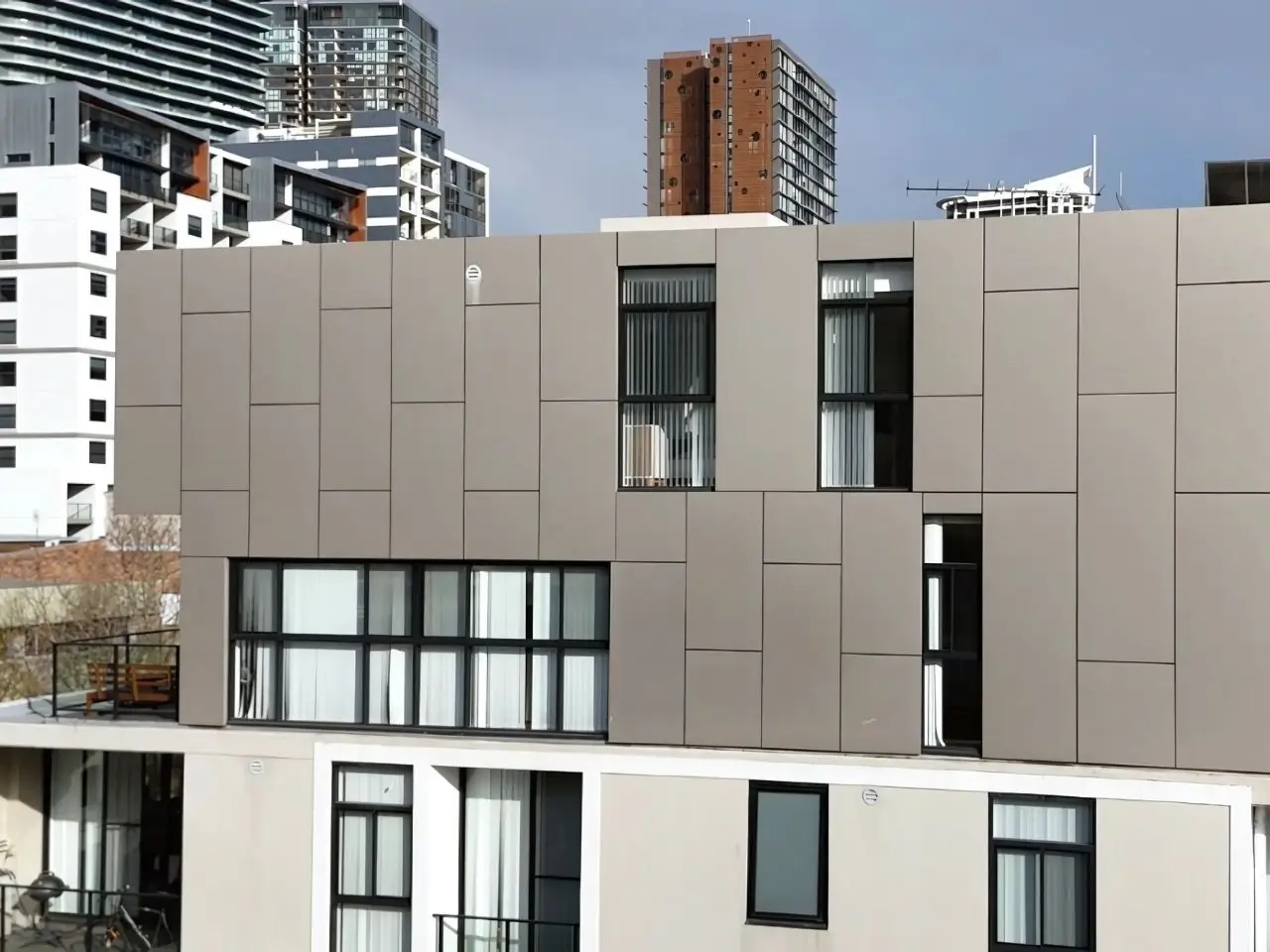
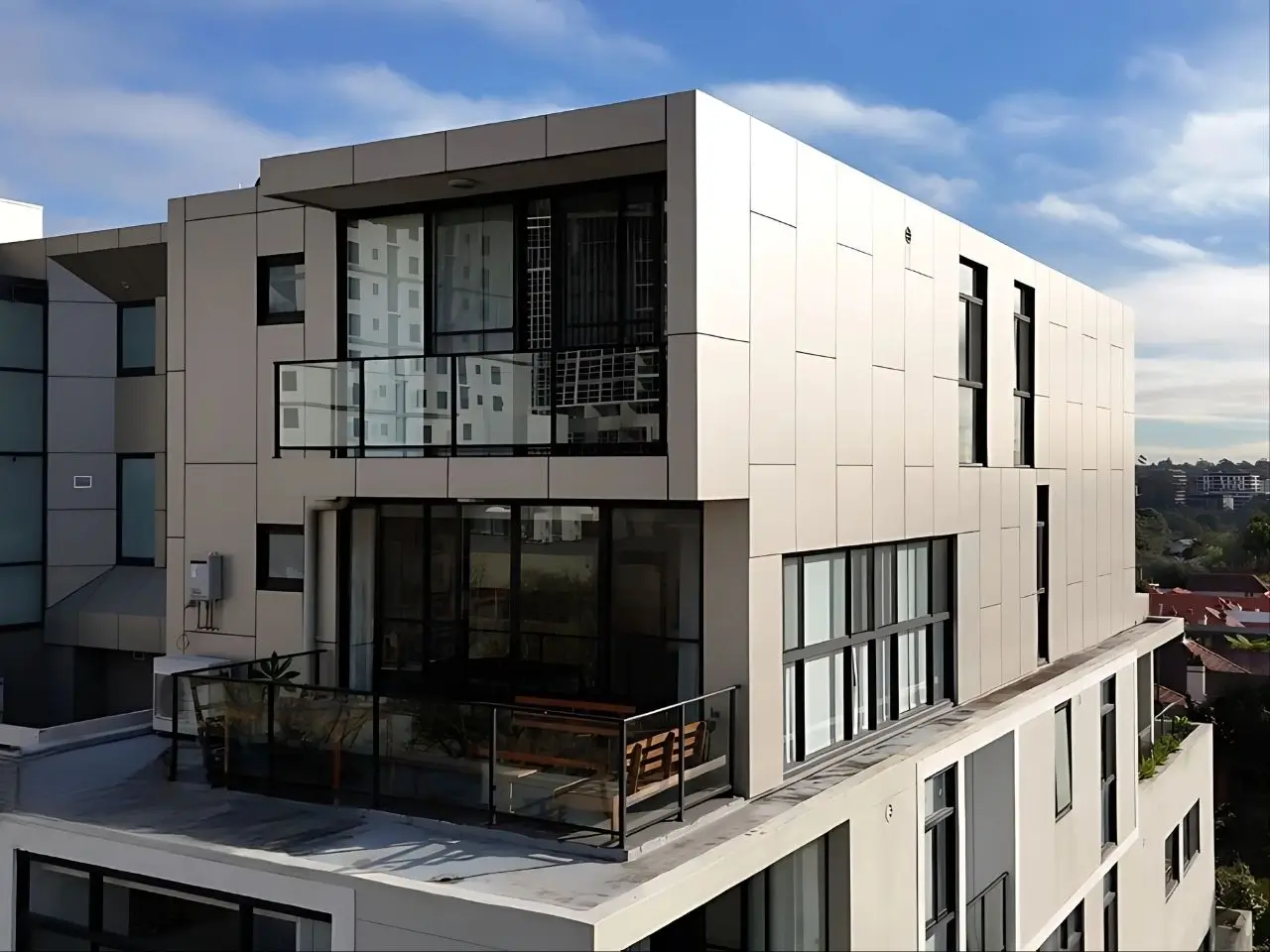
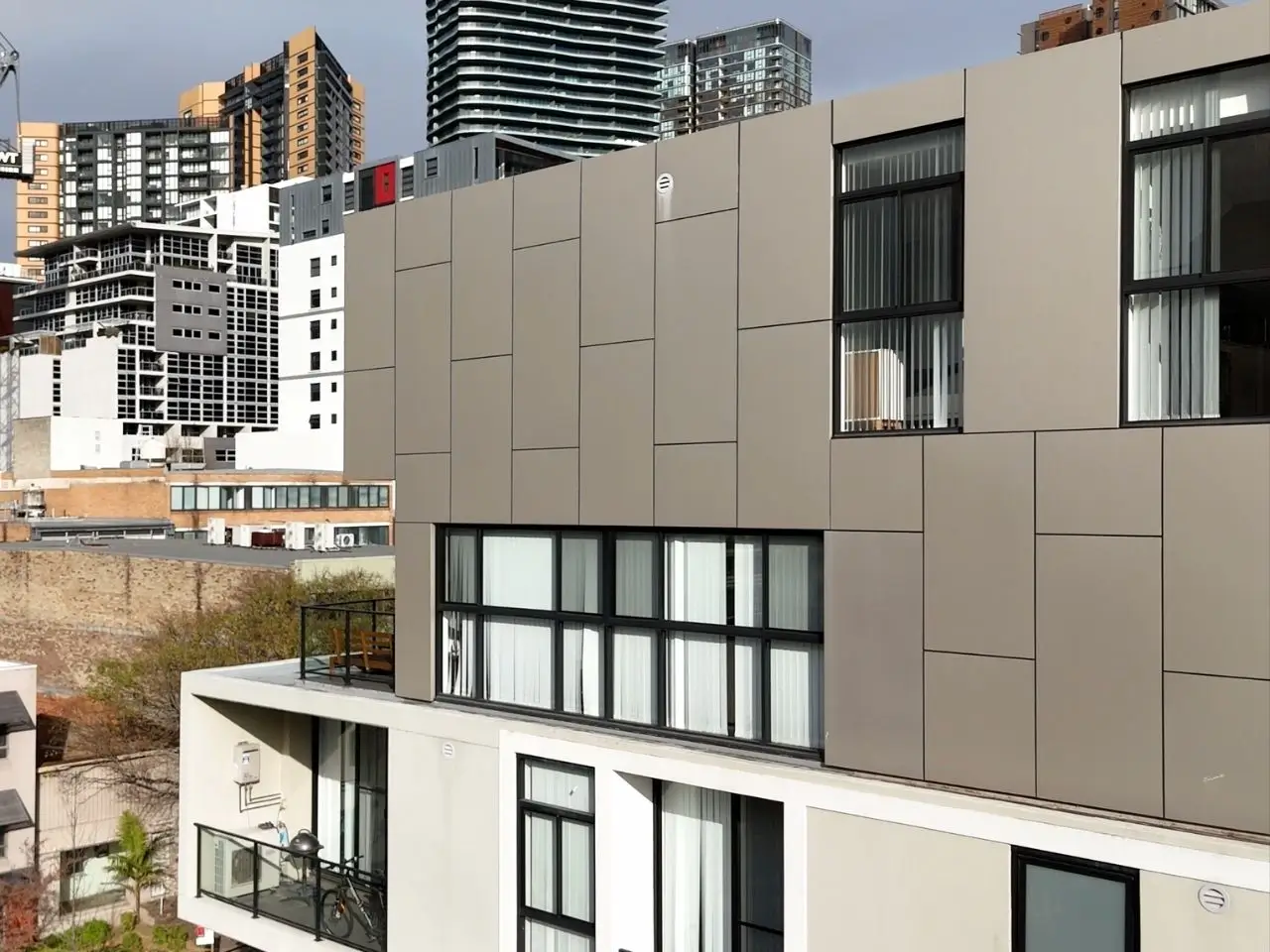
A council order under current fire-safety regulations forced the Owners Corporation at Chandos Street to remove the building's ACP cladding. At the same time, the rooftop waterproofing had reached the end of its serviceable life and the original windows and doors were no longer sealing. Three problems, one building, one budget — and a committee that needed all of it solved without the access scaffold going up twice.
The Challenge
The ACP cladding system was non-compliant under the current fire-safety regime. Until it was replaced, the building carried real fire-safety exposure and a real risk of insurance complications for the OC. On top of that, the rooftop waterproofing was failing and the original window and door systems were leaking and underperforming. The hard part wasn't any single trade — it was sequencing all three so the building only had to bear the disruption once.
Approach
- Risk first. ACP cladding led the program — the council order had a deadline, and fire-safety obligations could not wait. Our cladding replacement service was the lead trade.
- One access setup, three jobs. Re-waterproofing and glazing works were planned around the cladding access systems, eliminating duplicate scaffolding and one full mobilisation cost.
- Stakeholder loop. Council, building manager and residents were briefed at every milestone — no surprises at AGM, no committee blindsides.
Execution
- ACP Cladding Replacement
- Removal of all non-compliant panels.
- Installation of a certified, compliant cladding system.
- Fire-stopping and cavity detailing in accordance with NCC requirements.
- Rooftop Re-Waterproofing
- Full removal of failed membranes.
- New multi-layer waterproofing system designed for longevity and ponding resistance.
- Drainage falls and termination points detailed to engineering specification.
- Window & Door Replacement
- Removal of original units no longer sealing effectively.
- New thermally efficient, water-resistant systems installed.
- Sequencing planned to maintain building security and weather-tightness throughout.
Each element was independently inspected and verified under inspection test plans before sign-off. (For OCs facing similar council orders, our explainer on the DBP Act expansion in 2026 covers what's coming next.)
Outcome
- Council order discharged. The building is now fire-safety compliant under current regulations with a fully certified cladding system.
- Insurance position protected. Compliance documentation issued to the OC for renewal and disclosure.
- One disruption, not three. Integrated scope and shared access kept residents from sitting through three separate programs.
- Asset life extended. Watertight rooftop, modern joinery, certified cladding — the envelope is set up for the next 20+ years.
Project Significance
Chandos Street is the case study for strata managers and OC chairs facing fire-safety council orders on ACP cladding. Treating cladding, waterproofing and joinery as one integrated program — not three sequential jobs — is faster, cheaper, and less painful for the residents who live through it. If you're an OC under a current fire-safety council order on cladding, this is the playbook. If you have a single non-compliant panel on a Class 1 home, our service pages have better matches than this case study.

Tell us what the building's doing.
Send photos, the engineer's report, or just the symptoms — whatever you've got. A registered builder reads it and calls you back. No call centre, no obligation.