Atomic Projects facade remediation on a Sydney strata building
Home › Services › Waterproofing Remediation
Waterproofing Remediation · Sydney

Leaks don't fix themselves.

Membrane failure is the most common defect in NSW Class 2 buildings — and the most expensive to ignore. We find the source, repair to specification, and prove it with a flood test before anything covers it.

✓ Class 2 DBP Registered✓ Licence 360636C✓ Witnessed flood test★ 4.7 Google rating
100 +
Buildings
$20M +
Delivered
15 +
Years experience
4.7
Google rating
Get a quote
Tell us about your building. We respond within 24 hours.
We respond within 24 hours. No spam, ever.
Thank you! Your submission has been received!
Oops! Something went wrong while submitting the form.
Start here

What is waterproofing remediation?

Waterproofing remediation is rebuilding the system that keeps water out of a building — balconies, planter boxes, rooftops, podiums, basements and wet areas. A membrane fails where it meets a detail: the door threshold, the drain, the upturn, the penetration. Water tracks back into the building from there, and the stain shows up somewhere else entirely.

Proper remediation locates the actual ingress path, strips back to a sound substrate, rebuilds the system from there — falls, detailing and a new membrane to standard — then proves it with a witnessed flood test before anything covers it. Because the work is over occupied space, it's staged so residents stay in place.

Patch vs proven remediation — the distinction that ends the leak: a patch coats over the failed membrane and hopes. Proven remediation strips to substrate, re-sets the falls, rebuilds every detail, lays a new membrane to AS 4654.2, and flood-tests it — third-party verified — before a single tile or finish goes back. It's proven watertight before it's covered, not hoped to be. That's the difference between a one-time fix and a recurring leak.
Know the symptoms

6 signs your waterproofing has failed.

Waterproofing fails quietly — the damage usually shows up away from the actual leak. These are the signs the system has let go.

1
Water stains on ceilings belowThe clearest sign a membrane above has failed — water is tracking into the unit or carpark beneath.
2
Efflorescence on walls or slab edgesWhite salt deposits mean water is moving through concrete it should be kept out of.
3
Bubbling paint or damp patchesBlistering paint and persistent damp on walls and ceilings point to water getting through the envelope.
4
Ponding water that won't drainWater sitting on a balcony, podium or roof means the falls have failed — and a leak follows.
5
Musty smell or mouldA persistent musty smell or mould growth is a sign of ongoing water ingress and a habitability issue.
6
Drummy tiles over a wet areaHollow-sounding tiles above a membrane mean water is sitting underneath and the system has debonded.
⚡ Water leaking into a unit or carpark? We can assess within days.
Why it matters now

A small leak is a 10× repair waiting to happen.

Membrane failure is the most common defect in NSW Class 2 buildings — and it never stays small. Caught late, a waterproofing job becomes a structural one.

01

10× repair escalation

A failed membrane caught early is a membrane replacement. Caught late, it's structural concrete repair, internal make-good and relocation costs.

02

Habitability liability

Ongoing ingress turns a maintenance item into mould, a health claim, and committee liability for a known, unactioned defect.

03

Asset value erosion

Water damage appears in strata reports and pre-purchase inspections — and follows the building until it's fixed properly.

Our approach

Find the source. Prove the fix.

We don't coat over a failed membrane. We find where the water's actually getting in, rebuild the system, and flood-test it before anything covers it.

1

Find the actual ingress path

A waterproofing investigation — water testing, moisture diagnostics, forensic inspection — locates where the water is really getting in before a price is quoted. The stain is rarely above the leak.

2

Strip back and rebuild the system

We strip to a sound substrate, re-set the falls so water runs to the drain, and rebuild every detail — upturns, thresholds, drains and penetrations — before the new membrane goes down.

3

Lay a new membrane to standard

A new membrane to AS 4654.2 (or AS 3740 for internal wet areas), detailed at every junction — matched to whether it's a balcony, podium, planter, basement or bathroom.

4

Prove it with a witnessed flood test

The membrane is flood-tested and third-party verified before reinstatement — proven watertight before it's covered, then closed out like a defect rectification.

What's covered

The types of waterproofing we do.

The full waterproofing discipline — each scoped on its own or as part of a building-wide program, staged so the space below keeps operating.

Balcony & Terrace WaterproofingMembrane replacement, flood tested before tiling.Read more →
Podium & Roof Deck WaterproofingLarge-area sheet systems over occupied space.Read more →
Planter Box WaterproofingThe quiet destroyer — drainage, root barrier, membrane.Read more →
Basement & Negative-side WaterproofingInjection and cementitious systems where you can't dig.Read more →
Bathroom & Wet Area WaterproofingInternal membranes to AS 3740, staged per unit.Read more →
Sealant Replacement & Joint RemediationFacade and movement joint remediation.Read more →
Why Atomic

Why our waterproofing is proven, not hoped.

The cheap quote coats over the membrane and walks away. Here's what proving the fix means for your building.

What matters
Atomic Projects
Typical contractor
Diagnosis
Ingress path found before scope
× Coats over, assumes the cause
The repair
Strips to substrate, re-sets falls
× Re-coats the failed surface
Standard
New membrane to AS 4654.2 / AS 3740
× No spec, generic coating
Proof
Witnessed, verified flood test
× No test — hoped to be watertight
Residents
Staged — people stay in place
× Wants the building cleared
Our work

The proof is in the projects.

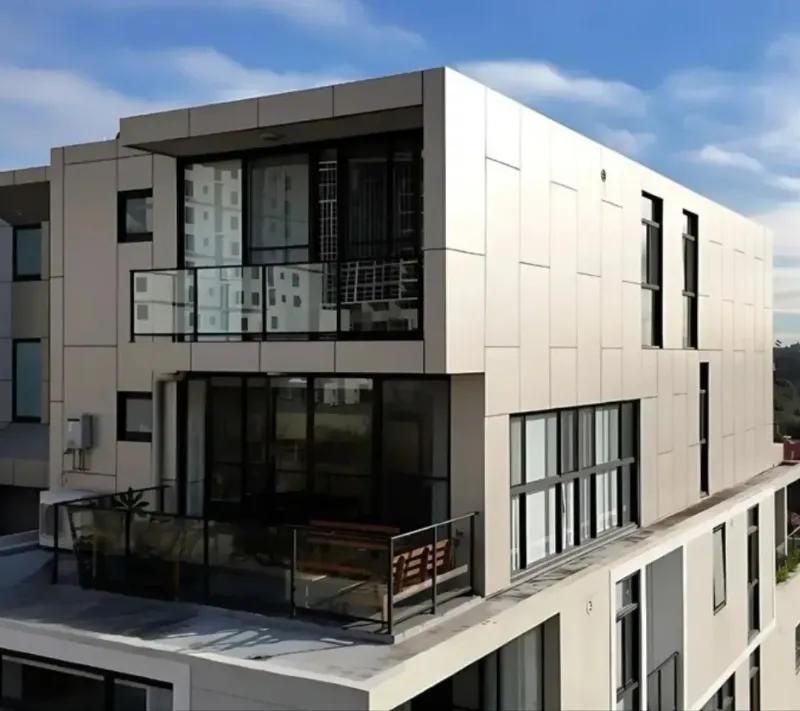
Mixed-use strata facade in St Leonards after ACP cladding and window replacement — Atomic ProjectsBalconies + Rooftop waterproofing

Mixed-use strata — St Leonards

Non-compliant waterproofing to the rooftop and balconies replaced with a sheet membrane system, with all windows and doors renewed. Three scopes integrated into a single 8-month program to minimise disruption and duplication.

"They combined three major scopes into one program. We expected 12 months of chaos — it was done in eight."

— STRATA MANAGER, ST LEONARDS
3Scopes integrated
8Months
$1M+Project Value
Manly low-rise strata balcony waterproofing project — Atomic ProjectsROOFTOP PVC Waterproofing

Mid-Rise Strata — Warwick Farm

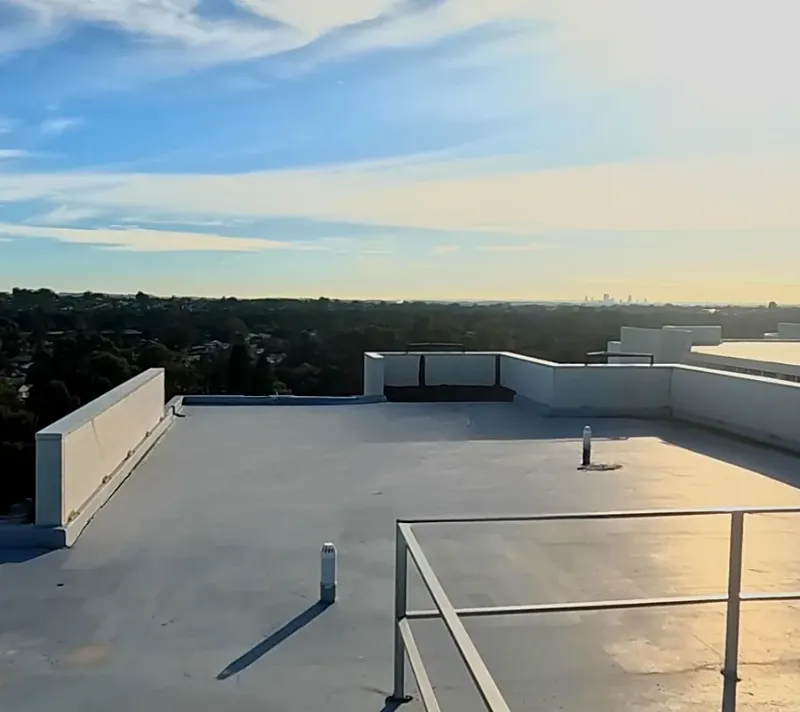
One residential tower with active roof leaks. Rooftop waterproofing had failed and water was getting into the units below every time it rained. We stripped the roof back to substrate, found the root-cause of failure at service penetrations and installed a new sheet membrane system with proper falls and drainage.

"They set up their team and completed the works all at once, not a single day of lost time was caused."

— STRATA MANAGER, WARWICK FARM
500m²Rooftop Area
5Months
$650kProject Value
Manly low-rise strata balcony waterproofing project — Atomic ProjectsBalcony Waterproofing

Low-rise strata — Manly

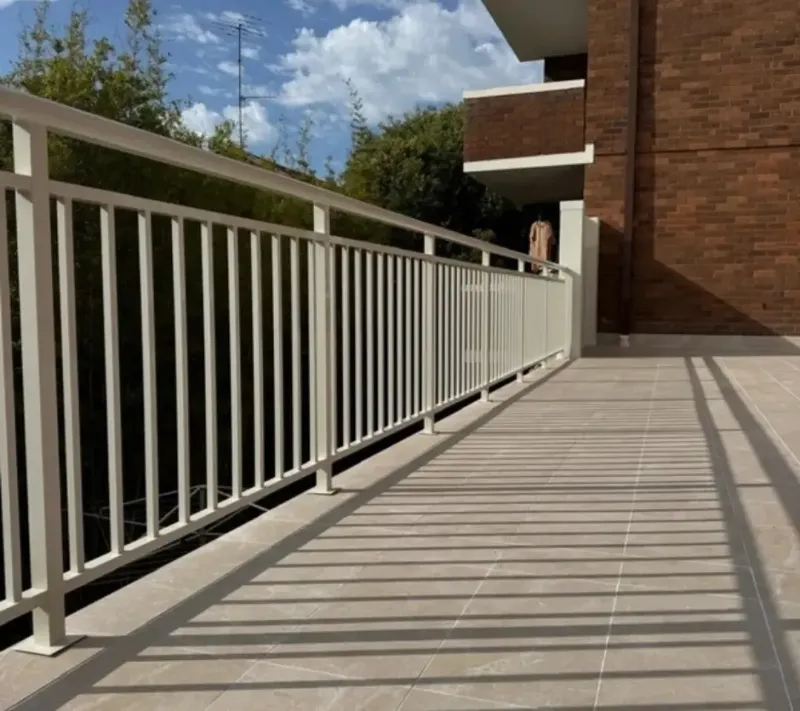
Tight walk-up strata with one driveway and carpark. Full balcony re-waterproofing delivered balcony-by-balcony while the property kept garage and driveway access. Staged for minimal disruption across the works.

"They worked around our access the whole time — every owner kept use of their carpark, and only a couple of balconies were ever offline."

— STRATA MANAGER, MANLY

12Balconies
0Complaints
$650KValue
Risk reversal

Proven with a flood test. Verify everything.

Most waterproofing comes back because the last contractor coated over the problem and never tested it. We prove ours before it's covered.

Witnessed, third-party-verified flood testThe membrane is proven watertight before reinstatement — not hoped to be after it's covered.
Class 2 DBP — Licence 360636CVerify us on the NSW Fair Trading register before you call. We'd rather you check.
Repaired to AS 4654.2 / AS 3740To the recognised waterproofing standards — not a generic coating with no spec.
Source confirmed before we open upWe locate the actual ingress path first, so the repair reaches the leak. Not charged as an extra.
We'd rather you check than take our word for it.
What happens after you enquire

From first call to fixed quote — source found first.

1
You enquire

Send any reports, or just describe where the water's showing.

Within 24 hrs
2
Site assessment

We investigate and confirm the actual ingress path — not just where it shows.

Days, not weeks
3
Fixed-price scope

A documented, engineer-checkable scope your committee can approve.

Ready for AGM
4
Staged works & flood test

Rebuilt, flood-tested and verified before reinstatement — residents in place.

On your schedule
Is this you?

We're a fit for some buildings, not all.

We'd rather tell you upfront than waste your committee's time.

This is for you if…

  • You manage or own a strata or commercial building with leaks or failed waterproofing.
  • You want the source found and the system rebuilt — not the surface coated over.
  • The building is occupied and works need to be staged around residents.
  • You need a witnessed flood test and DBP-compliant documentation your insurer can rely on.
  • Your project is from around $50K and up.

Probably not us if…

  • You want a quick coating over the top with no investigation or testing.
  • You're after the cheapest patch to get through the next inspection.
  • It's a single small domestic wet-area job under a few thousand dollars.
  • You need it done this week without an investigation — we find the source before we price.
Two contractors had coated over our balcony leaks and both came back within a season. Atomic found the actual ingress path, rebuilt it properly, and flood-tested every one before tiling. Watertight on the first go.
Building ManagerResidential towers, Miranda
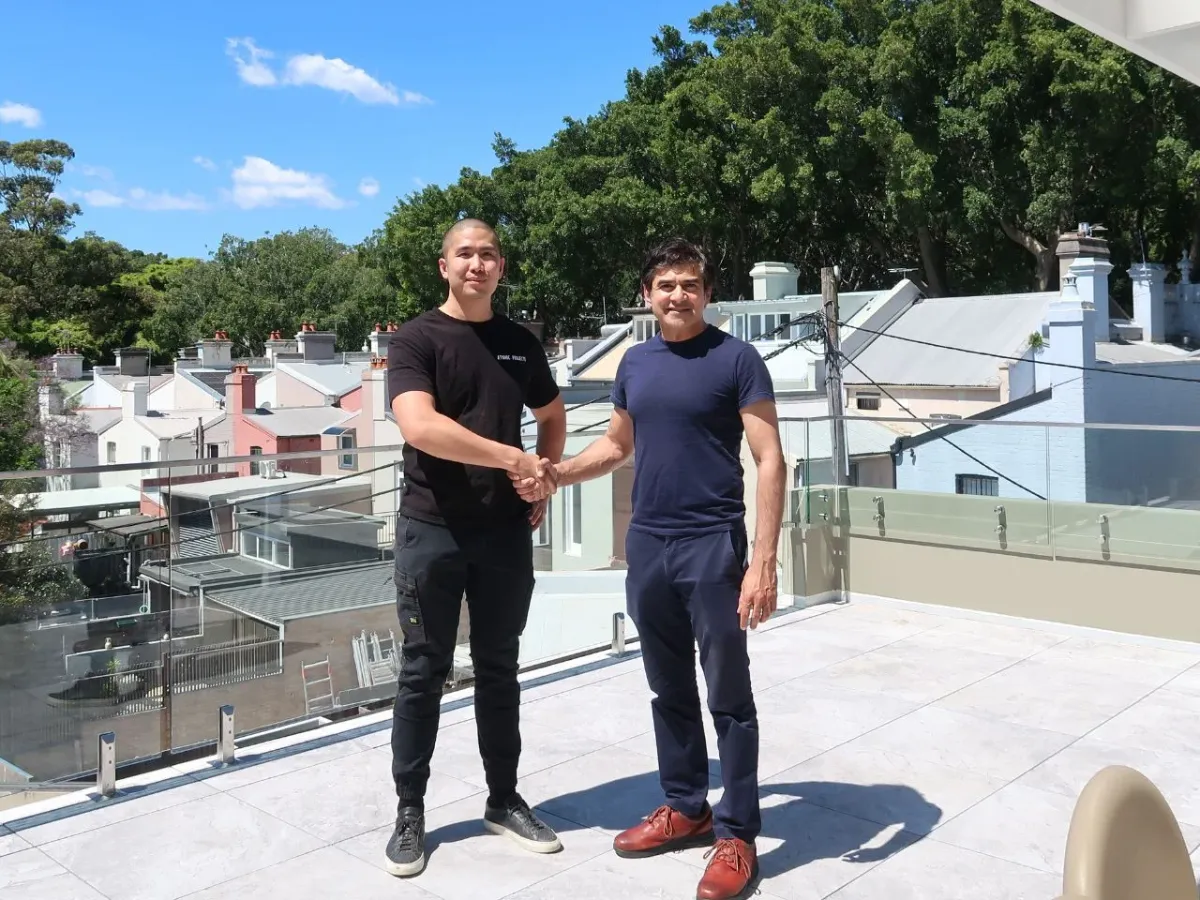
Atomic Projects founder on a Sydney remedial building site
Who you're dealing with

You'll deal with the builder, not a call centre.

Waterproofing is the defect contractors love to coat over, because the membrane's hidden and the cover-up sells cheap — and it's back within a season. I won't do it. We find where the water's actually getting in, rebuild the system, and flood-test it before anything covers it. Send me your report and I'll tell you straight what it'll take to make it watertight for good.

— The Atomic Projects founderClass 2 DBP registered builder · Licence 360636C
Straight answers on price

What waterproofing remediation costs in Sydney.

These are realistic ranges — your fixed price is confirmed after a building investigation, before any work starts.

Localised
$20k–$80k

Targeted membrane replacement — a balcony, wet area or planter box.

Mid-scale
$80k–$400k

Waterproofing across multiple elements or a podium and roof deck.

Major
$400k–$900k+

Building-wide waterproofing remediation programmes, residents in place.

Most projects run $80K–$900K, delivered with residents in place — and the scope is confirmed by investigation before any work starts.

Start with a conversation.

We'll visit your building, confirm the source of the leak, and give you a clear, fixed-price path forward — free, no obligation. We respond within 24 hours.

Get a quote
Tell us about your building. We respond within 24 hours.
We respond within 24 hours. No spam, ever.
Thank you! Your submission has been received!
Oops! Something went wrong while submitting the form.
Common questions

What your committee will want to know.

Why does my leak keep coming back after repairs?+
Because the previous fixes were coatings over a membrane that had already failed — not a rebuild of the system. The water keeps finding the same failed detail underneath. We locate the actual ingress path first, strip back and rebuild from the substrate up, then flood-test before covering — which is why it holds when the patches didn't.
What does a flood test prove?+
It proves the new membrane is actually watertight before it's covered with tiles or finishes. We hold water on the membrane for a set period and check for any ingress below, with third-party verification. It's the difference between proven watertight and hoped to be — and it's the step the cheap quotes skip.
Where does waterproofing typically fail?+
At the details, not across the field — the door threshold, the drain, the upturn, the balustrade fixing, the penetration. That's why patching the surface never reaches it. The same logic applies whether it's a balcony, a planter box, a podium or an internal wet area.
What standards do you waterproof to?+
External waterproofing is delivered to AS 4654.2, and internal wet areas to AS 3740 — the recognised Australian waterproofing standards. The membrane is detailed at every junction, flood-tested and verified before reinstatement, and closed out with the documentation.
Can you work over an occupied building?+
Yes — that's most of what we do. Works are staged so the space below keeps operating — balconies and wet areas handed back stage by stage, podiums and roof decks sequenced over occupied carparks and apartments — so residents and tenants stay in place.
What causes waterproofing to fail?+
A perished or poorly-detailed membrane, incorrect falls that pond water instead of draining it, failed sealant and movement joints, and damage from later trades. Planter boxes and basements add their own causes — permanently wet soil and groundwater pressure. The investigation confirms which one you have.
How much does waterproofing remediation cost?+
Most projects run $80K–$900K depending on the area, access and how many elements are involved — a single balcony or wet area is far less than a building-wide podium and balcony program. The investigation-confirmed scope sets the price before we start.
Are you registered for regulated waterproofing work?+
Yes — Class 2 DBP registered, Licence 360636C, verifiable on the NSW Fair Trading register. Waterproofing on Class 2 buildings is a regulated element under the DBP Act and we lodge the required documentation. What's regulated →
How long does waterproofing remediation take?+
Typically 8 to 14 weeks per area, depending on scope and size. Full-building programs are staged so each zone has a limited disruption window and finished areas are handed back progressively. Weather matters: membranes need dry conditions to cure, so rain delays are common and are built into honest programs rather than discovered late.
Do doors get removed during balcony waterproofing?+
Often, yes. Thresholds are one of the most common failure points, and doing them properly means taking the door out so the sill can be waterproofed and flashed correctly. A secure, weatherproof, lockable hoarding is installed the same day. Doors being reinstated go back in around two weeks later; replacement doors typically take three to four weeks to fabricate.
What is the difference between a waterproofing repair and full membrane replacement?+
A repair patches a localised defect, which only works when the rest of the membrane is sound. Once a membrane under tiles has failed more broadly, patching chases leaks around the slab, so the finishes are stripped, the slab repaired, and a new membrane applied in multiple coats and flood tested. The investigation determines which approach your building actually needs.
Is waterproofing regulated under the DBP Act?+
Yes. On Class 2 buildings, waterproofing is one of the regulated categories of building work under the Design and Building Practitioners Act, so it requires declared designs and delivery by a registered practitioner. That gives the owners corporation a compliance pathway and a paper trail. Atomic Projects is Class 2 registered (licence 360636C), verifiable on the NSW register.
What warranty do you get on new waterproofing?+
A defects liability period, typically 12 months, plus the statutory warranties on residential building work in NSW. Just as important is the proof before cover-up: the new membrane is flood tested and inspected at hold points, and those records are handed over. If anything emerges later, you report it through your strata manager and it is rectified at no cost.

Find the source. Prove the fix. Stop paying twice.

The ingress path found first, the system rebuilt to AS 4654.2, and a witnessed flood test before anything covers it. Book a free assessment or a 15-min call.

Book your free assessment →
or call 0410 515 509
Book a 15-min call
No obligation. We respond within 24 hours.
📞Get a free assessment →
Call NowGet a quote →