Atomic Projects facade remediation on a Sydney strata building
Home › Services › Heritage Restoration
Heritage Restoration · Sydney

Heritage building failing? Restore it without losing it.

Sympathetic remediation for heritage-listed and period buildings. We repair and conserve original fabric — masonry, render, facades and structure — to standards heritage consultants and council sign off. Class 2 registered. Engineer-directed.

✓ Class 2 DBP Registered✓ Licence 360636C✓ Written 10-year warranty★ 4.7 Google rating
100 +
Buildings
$20M +
Delivered
15 +
Years experience
4.7
Google rating
Get a quote
Tell us about your building. We respond within 24 hours.
We respond within 24 hours. No spam, ever.
Thank you! Your submission has been received!
Oops! Something went wrong while submitting the form.
Start here

What is heritage restoration?

Heritage buildings can't be stripped and replaced like a modern block. The value is in the original fabric — the masonry, the render profiles, the joinery — and the job is to repair what's failing while keeping that fabric intact. Heritage restoration is remedial engineering delivered without compromising what makes the building significant.

We work the way heritage demands: minimal intervention, materials matched to the original — lime mortars and renders, not modern cement that traps moisture and cracks the stone — and full coordination with your heritage consultant, architect and council. Underneath the sensitivity it's still remedial engineering: stabilising structure, stopping water ingress, making the building last.

Repair vs conservation — the distinction that catches owners: a modern repair substitutes new materials and details. Conservation repairs what's there, in kind. Get it wrong and you damage the building's significance — and can breach the conditions of its listing.
Know the symptoms

6 signs your heritage building needs attention.

Period buildings fail slowly, then suddenly. If you can see any of these, the fabric needs diagnosing.

1
Fretting or powdering masonryStone and brick surfaces breaking down — often accelerated by earlier cement-based repairs that trap moisture.
2
Cracked or hollow renderDrummy render means the bond has failed; cracks let water reach the masonry beneath.
3
Rising or trapped dampSalt staining and blistering paint low on walls mean moisture is moving where it shouldn't.
4
Open or eroded mortar jointsWeathered pointing lets water in — and the wrong repointing mix makes it worse.
5
Movement crackingSteps in brickwork or cracks through openings can be historic settlement or active movement. Diagnosis tells you which.
6
Decayed timber or joineryWindows, doors and structural timber softening at joints and sills — repairable if caught early.
⚡ Active deterioration or falling masonry? We can assess within days.
Why it matters now

The deterioration you can see is a fraction of what's underway.

Heritage fabric fails progressively. Left unactioned, repairable deterioration becomes irreversible loss — and a compliance problem.

01

Safety risks

Falling masonry, unstable parapets and failing balustrades above public footpaths are a safety risk the owner carries — and a council order waiting to happen.

02

Irreversible loss

Original fabric that decays past repair can't be replaced — only imitated. Every season of water ingress takes more of it.

03

Loss of asset value

Deterioration shows up in condition reports and sale inspections — and heritage defects rectified badly cost more to undo than to do right.

Our approach

Restore heritage the right way.

Minimal intervention, materials matched to the original, and every stage documented for your consultant and council.

1

Diagnose the fabric

Our building investigation identifies what's original, what's failing and why — before any repair is specified, so intervention stays minimal.

2

Match materials to the original

Lime mortars and renders, matched profiles and compatible stone — not modern cement that traps moisture and cracks the fabric. Often integrated with waterproofing remediation.

3

Coordinate consultant, council and trades

Your heritage consultant sets the conservation approach; we deliver to it with method statements and records for sign-off — often alongside façade remediation.

4

Repair once, conserve for decades

Wrong repairs damage fabric and get redone. Our approach follows a documented conservation methodology — done once, properly.

What's covered

The types of heritage work we do.

Targeted conservation repairs through to full restoration programs — each scoped on its own or as part of a wider program.

Facade Preservation & RepairCleaning, repair and reinstatement of period facades and detailing.Read more →
Structural StabilisationEngineer-directed strengthening designed to stay hidden and touch as little fabric as possible.Read more →
Restoration of Decorative FeaturesCornices, mouldings and ornamental work repaired or recast in matched materials.Read more →
Window & Door RestorationOriginal joinery repaired and reinstated rather than replaced.Read more →
Specialist Heritage WaterproofingStopping water ingress without sealing in moisture or altering appearance.Read more →
Heritage Compliance & DocumentationMethod statements and records for council, consultant and conservation plan sign-off.Read more →
Why Atomic

Why our restorations hold.

The cheap quote patches the surface and walks away. Here's what that difference actually means for your building.

What matters
Atomic Projects
Typical contractor
The fix
 Conserves original fabric in matched materials
 Patches in modern cement
Warranty
Written 10-year term
× Vague "warranty provided"
Residents
Staged — people stay in place
× Wants the building empty
Documentation
Engineer-directed, documented
× Little to no QA trail
Root cause
Investigated & confirmed first
 Assumes and renders over
Risk reversal

Warrantied in writing. Verify everything.

Most heritage repairs fail because someone patched in the wrong materials — and walked away with no warranty. We don't.

Written 10-year warrantyA defined term, in writing — not the vague "warranty provided" everyone else offers.
Class 2 DBP — Licence 360636CVerify us on the NSW Fair Trading register before you call. We'd rather you check.
Engineer-directed & documentedA QA paper trail your committee and engineer can audit at any stage.
Leak investigation includedWe confirm the actual source before we pull anything apart. Not charged as an extra.
We'd rather you check than take our word for it.
What happens after you enquire

From first call to fixed quote — no mystery.

1
You enquire

Send the reports you have, or just describe the symptoms.

Within 24 hrs
2
Site assessment

We visit, inspect the condition of the fabric, and collect the evidence your heritage consultant and engineer need.

Days, not weeks
3
Fixed-price scope

A documented, engineer-checkable scope your committee can approve.

Ready for AGM
4
Staged works

Staged, heritage-sensitive works — residents in place, records at every stage.

On your schedule
Is this you?

We're a fit for some buildings, not all.

We'd rather tell you upfront than waste your committee's time. Here's who we're built for — and who we're not.

This is for you if…

  • You own or manage a heritage-listed or period building with deteriorating fabric.
  • You have a heritage consultant's or engineer's report — or need the evidence to get one.
  • The building is occupied and works need to be staged around residents.
  • You need method statements and documentation council and your consultant can sign off.
  • Your project is from around $50K and up.

Probably not us if…

  • You want the cheapest render-over to hide the problem for a sale.
  • You're after the cheapest patch to get through the next inspection, not a lasting fix.
  • It's a small domestic repair under a few thousand dollars — a local specialist tradesman is a better fit.
  • You need it done this week without an investigation — we diagnose before we price.
They stripped it back, found the failures three other contractors missed, and gave us a system we can finally trust — without a single owner having to move out.
Strata Committee ChairHigh-rise building, Darling Point
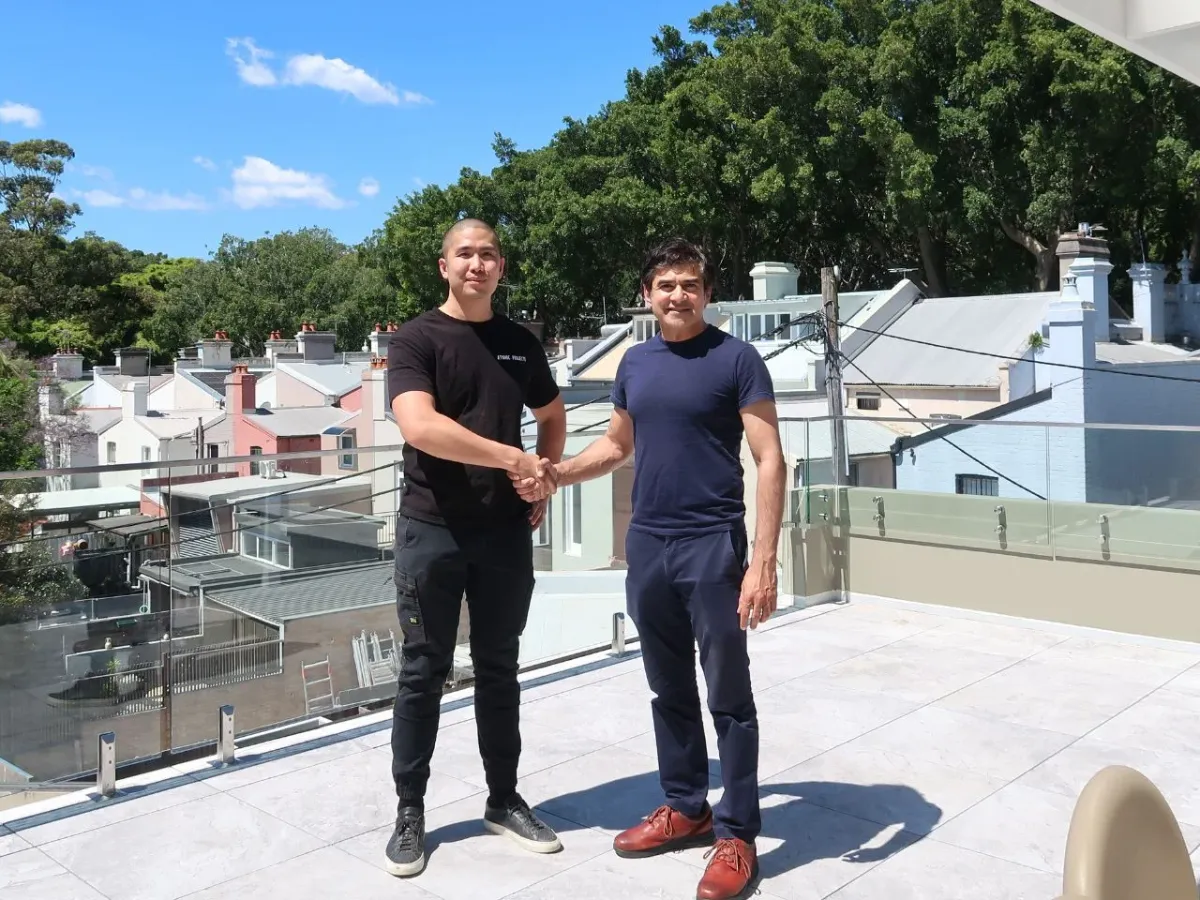
Atomic Projects founder on a Sydney remedial building site
Who you're dealing with

You'll deal with the builder, not a call centre.

I started Atomic Projects because I was tired of watching committees pay twice — once for the patch, then again for the real repair. Every project we take, I'm accountable for. Send me your engineer's report and I'll tell you straight what the last team missed.

— The Atomic Projects founderClass 2 DBP registered builder · Licence 360636C
Straight answers on price

What heritage restoration costs in Sydney.

Costs depend on severity and access. These are realistic ranges — your fixed price is confirmed after a building investigation, before any work starts.

Localised repairs
$10k–$50k

Individual conservation repairs and localised restoration.

MID-SCALE
$200k - $800k

Facade or whole-elevation restoration across a building.

Large complexes
$1m–$5m+

Full heritage restoration programmes.

All scopes are transparent and fixed-price against a documented conservation methodology — no mystery line items.

Start with a conversation.

We'll visit your building, assess the fabric, and give you a clear, fixed-price path forward — free, no obligation. We respond within 24 hours.

Get a quote
Tell us about your building. We respond within 24 hours.
We respond within 24 hours. No spam, ever.
Thank you! Your submission has been received!
Oops! Something went wrong while submitting the form.
Common questions

What your committee will want to know.

Will the building look different afterwards?
No — that's the point. We match materials and profiles to the original so repairs read as part of the building, not a patch over it.
Can you do structural repairs without wrecking the fabric?
Yes. Most heritage strengthening is designed to stay hidden and to touch as little original material as possible — minimal intervention is the standard we work to, under engineer's direction.
Do we need heritage approval before you start?
Usually, yes — heritage-listed works often need council consent or fall under a heritage exemption. We'll tell you which applies and provide the method statements and documentation that approval needs.
Why can't we just use standard cement render and sealants?
Because they trap moisture and crack the original masonry. Heritage masonry needs to breathe — that's why we use lime-based mortars and renders matched to what's already there.
Do you work with our heritage architect or consultant?
Always. On heritage jobs the consultant sets the conservation approach and we deliver to it, with the records they need to sign off each stage.
Our building isn't listed but it's old — does that count as heritage?
It can. Period buildings in conservation areas or with local heritage significance often need the same sympathetic approach. We'll assess what applies to yours.
How long does heritage restoration take?
It depends on the fabric and the scope: localised conservation repairs run weeks; whole-facade restoration runs months. The investigation confirms scope and programme before works start.
Are you registered for regulated work on our building?
Yes — Class 2 DBP registered, Licence 360636C, verifiable on the NSW Fair Trading register. Where heritage works are structural or affect waterproofing on Class 2 buildings, they're delivered under declared designs.
How much does heritage restoration cost?+
It depends on the fabric, the extent of decay, access and any approval conditions, so honest pricing starts with an assessment of what the building actually needs. Matched materials, like lime mortars, and slower conservation methods carry different rates from standard remediation. A defined, staged scope lets the owners weigh cost against significance before committing to the full program.
Can a heritage building be waterproofed to modern standards?+
Yes, with systems chosen to suit the fabric. The principle is achieving modern performance without sealing old masonry in materials that trap moisture, so breathable renders, correctly detailed flashings and sympathetic membranes are used where they will not damage original material. The detailing is matched to how the building was designed to manage water in the first place.
Do residents or tenants need to move out during heritage works?+
Usually not. Heritage restoration runs like other remedial work on occupied buildings: staged areas, protected access routes, notices before noisy phases and short, coordinated visits where internal access is needed. Conservation methods are often quieter and more manual than heavy remediation, though scaffold and dust controls still apply on facade stages. Access is planned around the building staying in use.
Which trades work on a heritage restoration project?+
A conservation-led mix: masons working with lime mortars and matched brick or stone, renderers experienced in traditional profiles, structural crews delivering strengthening designed to stay hidden, and waterproofing and roofing trades using sympathetic systems. They work under the heritage consultant's and engineer's direction, with each stage recorded so sign-off against the conservation approach is straightforward.
What records do you receive after heritage restoration?+
A handover pack recording what was done and with what: method statements, materials and mortar-matching records, photographs of each stage, inspection records, warranties and the compliance documentation for any regulated work. Those records matter more on heritage buildings than most, because future consultants and committees rely on them to understand and maintain the restored fabric.

Restore it properly. Protect it permanently.

Original fabric conserved in matched materials, engineer-directed and documented for council sign-off. Book a free assessment or a 15-min call.

Book your free assessment →
or call 0410 515 509
Book a 15-min call
No obligation. We respond within 24 hours.
📞Get a free assessment →
Call NowGet a quote →