
Pacific Hwy | Killara
$500K structural slab remediation at Pacific Hwy Killara. Cracked slab carrying three occupied levels above — A-B staging and perimeter underpinning kept the load path continuous. Engineer-verified at every hold point. Zero evacuation. Class 2 registered.
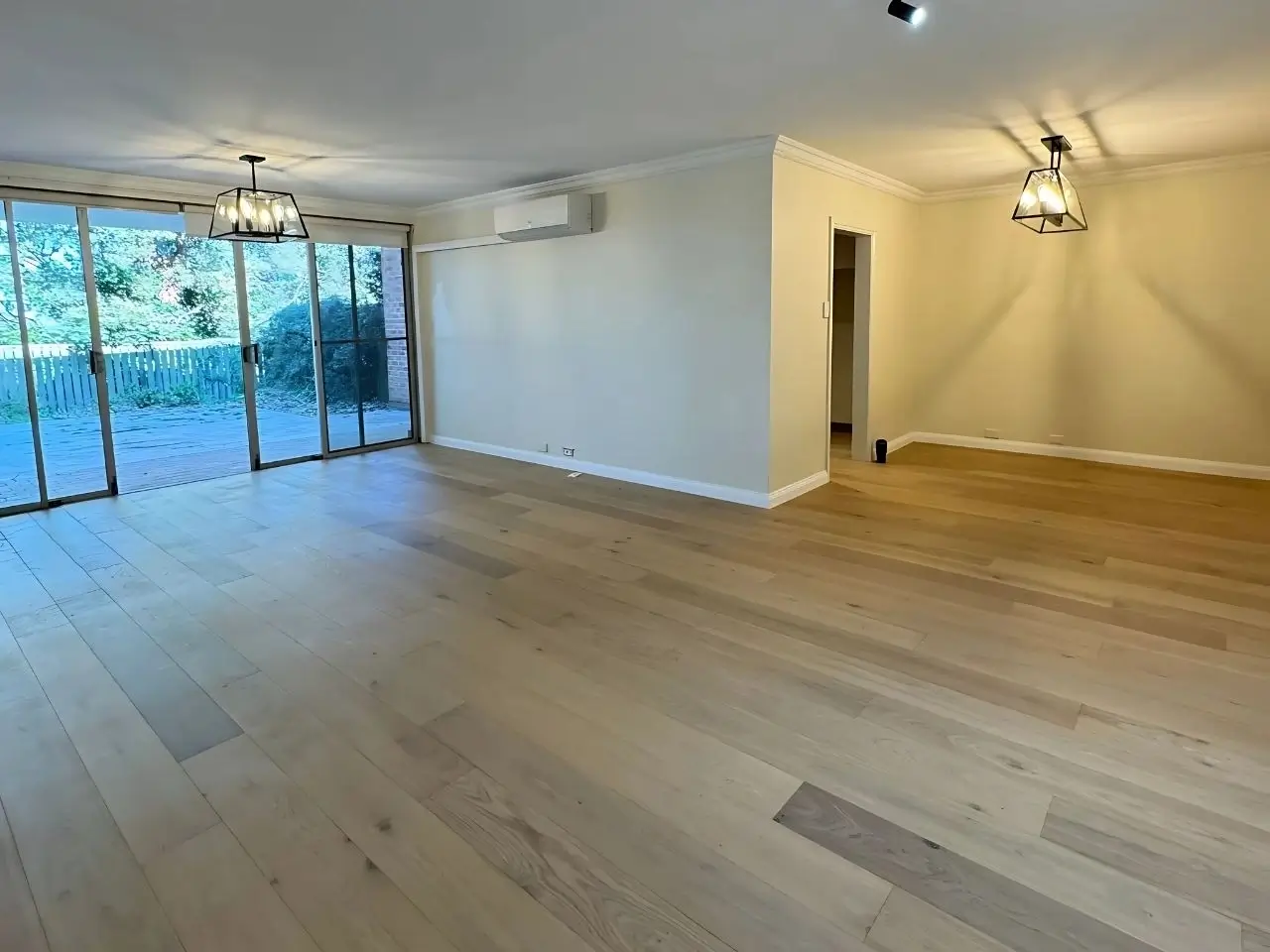
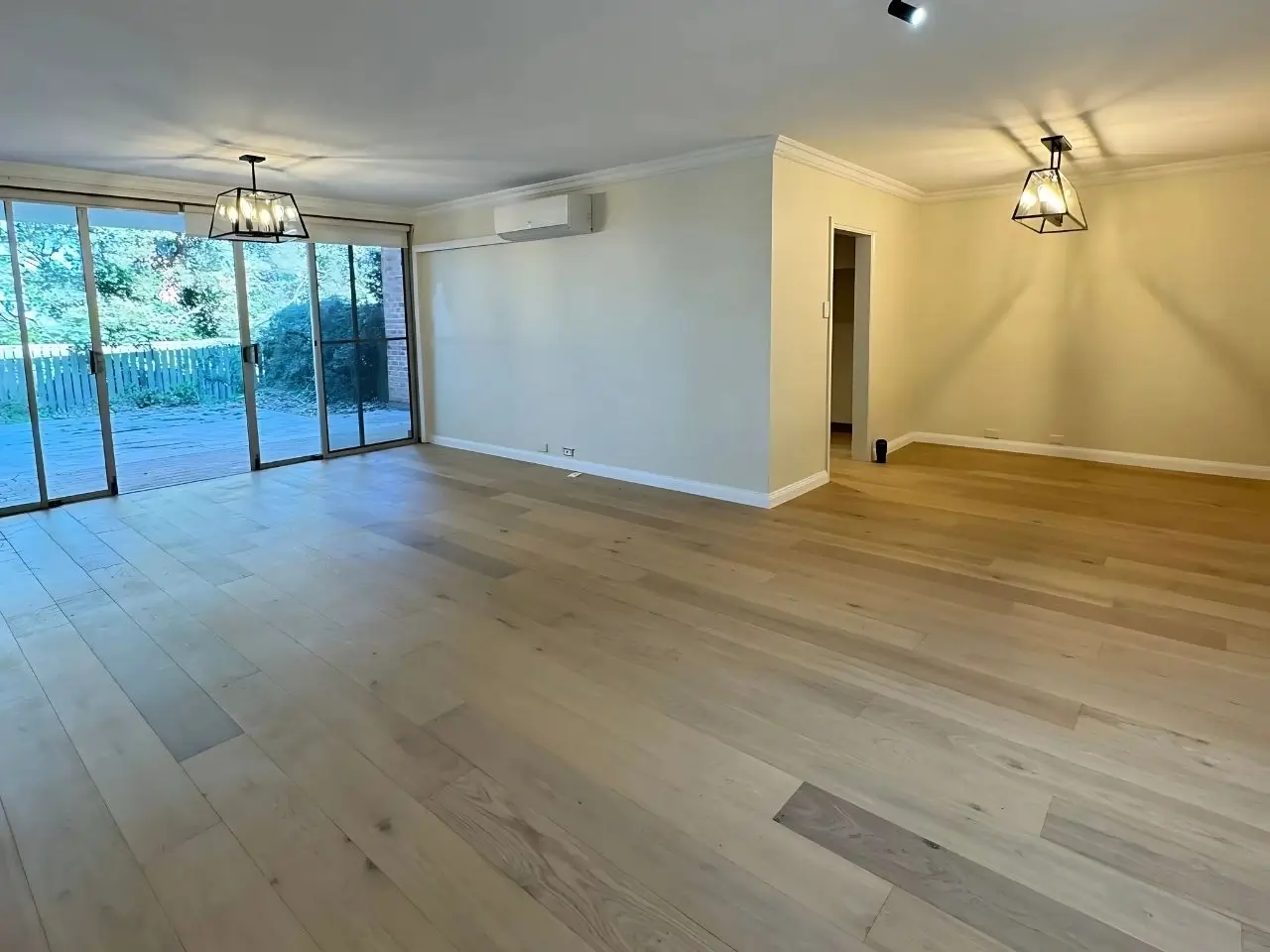
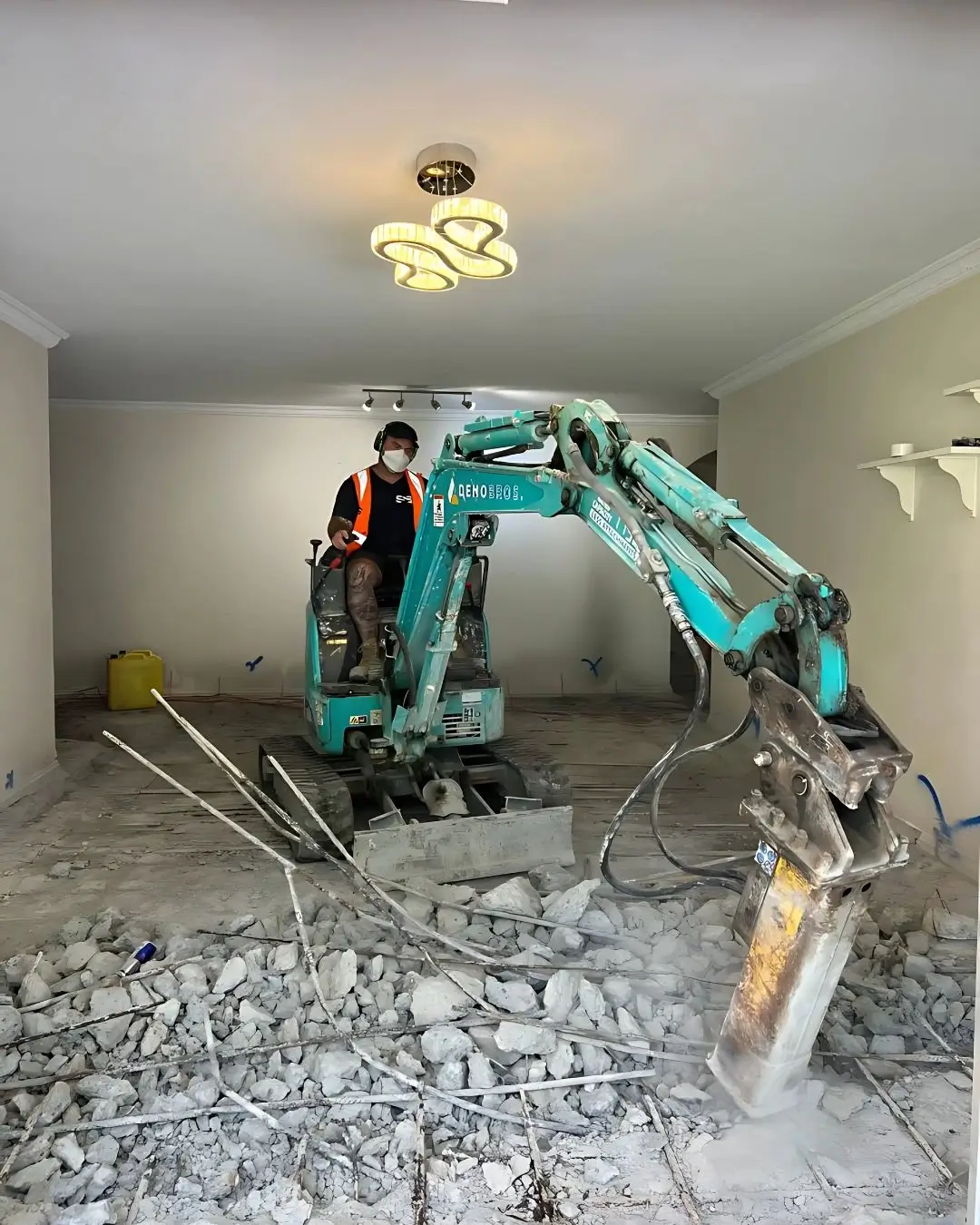
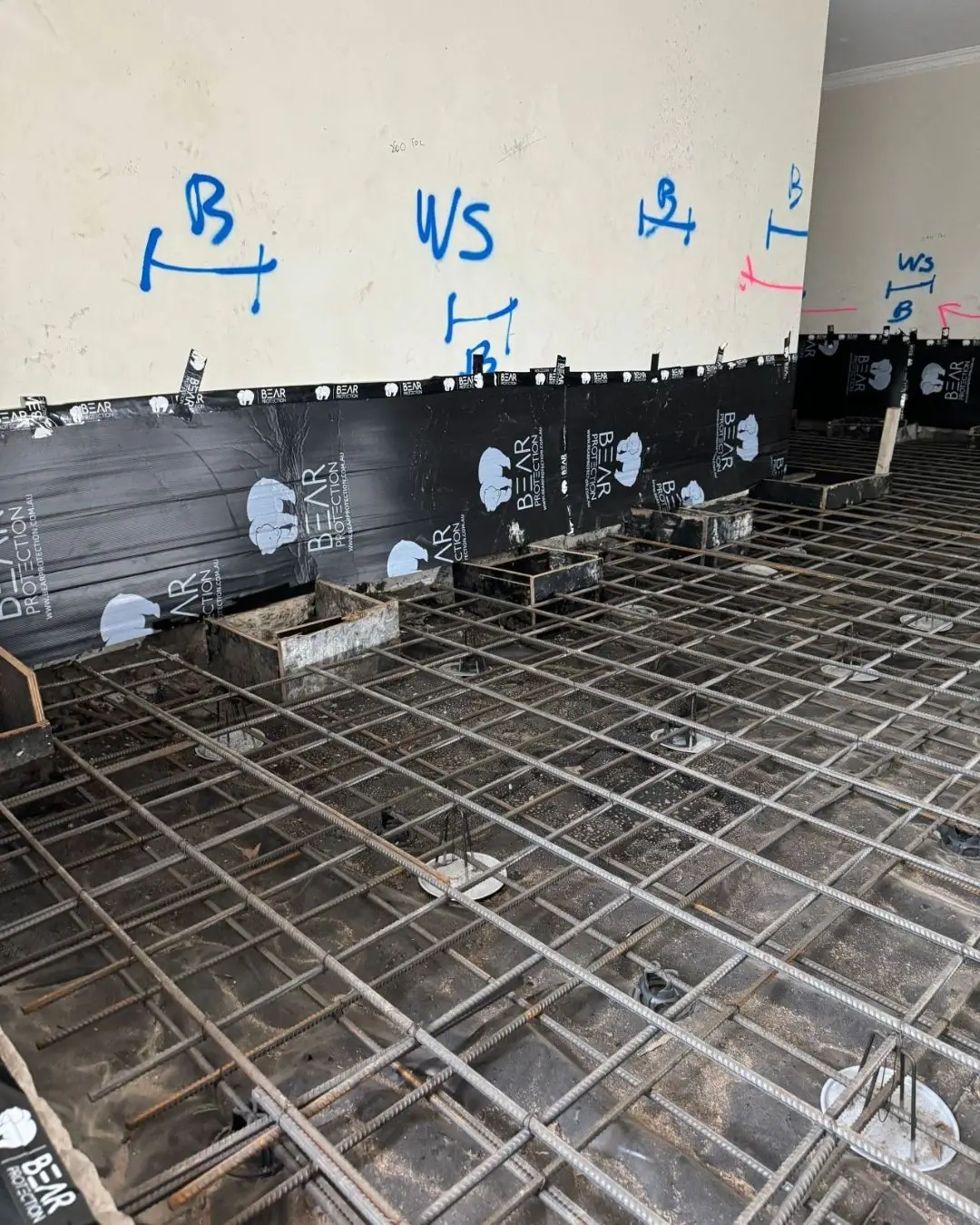
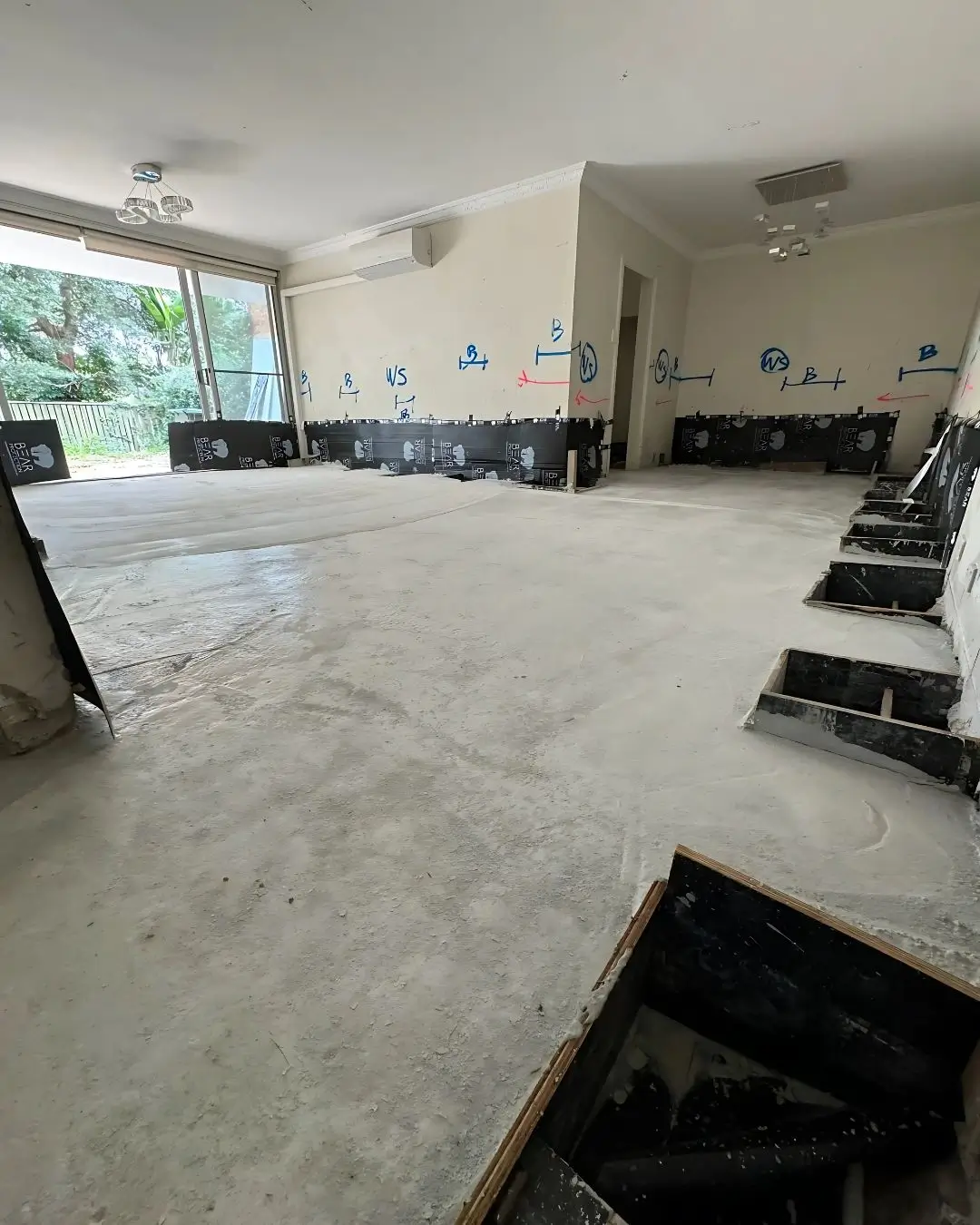
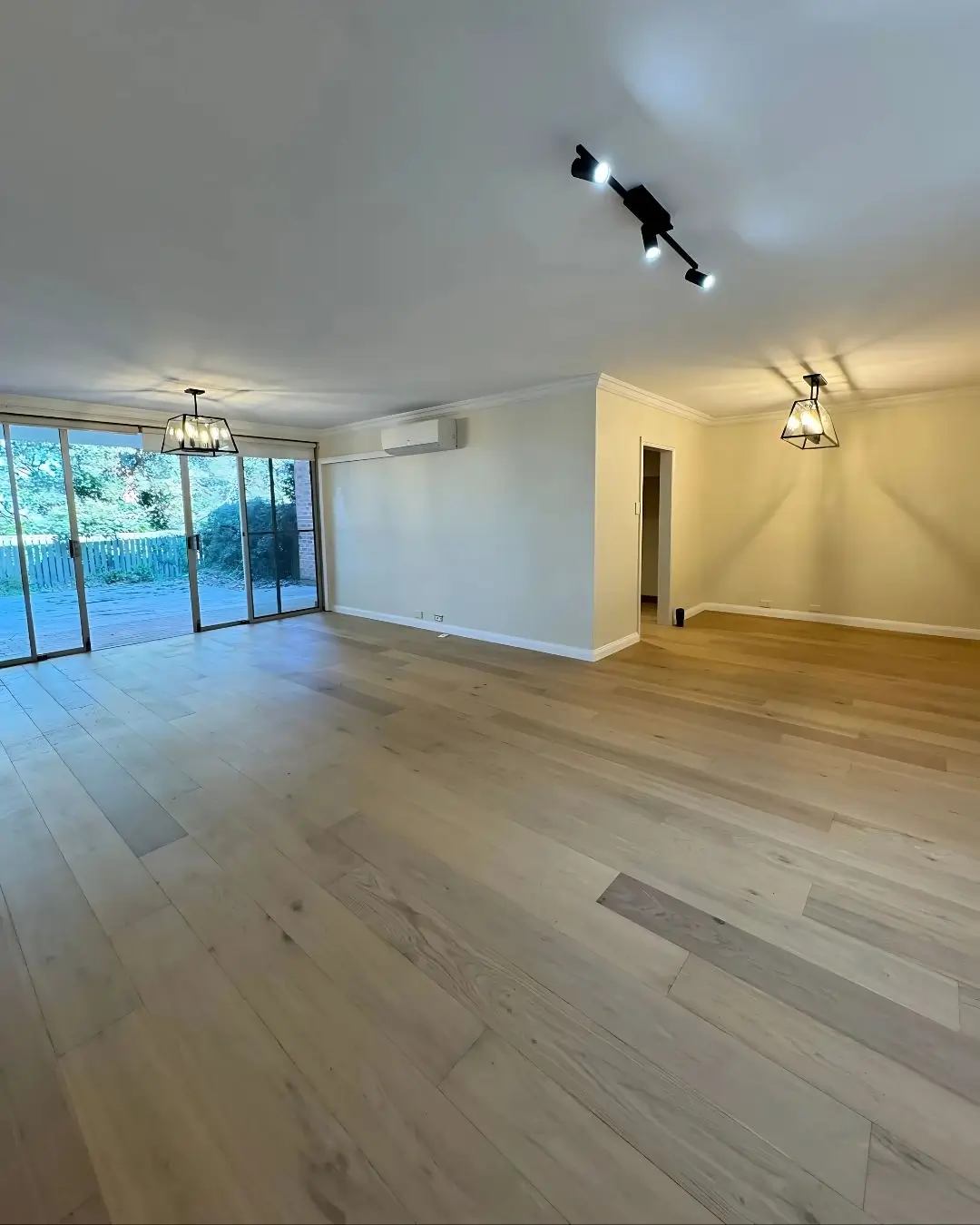
At Killara, a slab-on-ground that had been carrying three occupied levels for decades was showing movement and cracking. The structural engineer's report flagged it. The Owners Corporation needed it fixed. The hard part: residents on every level above, no realistic option to evacuate, and a primary structural element that could not be left unsupported for any meaningful period.
The Challenge
This wasn't a crack repair. It was the load path for three occupied storeys. The risks were specific and serious:
- The slab carried the building. At no point could the load path be compromised.
- Perimeter walls needed underpinning before any breakout, or the structure above would shift.
- The building had to remain occupied throughout — no evacuation, no temporary relocation, no committee crisis.
Approach
Stability first, repair second. The methodology was built around two non-negotiables: continuous structural support, and zero displacement of residents. This is the discipline our concrete and structural repairs service brings to every load-bearing remediation.
- A–B staging program — works divided into alternating zones so support remained continuous across the slab at all times.
- Perimeter underpinning — external walls underpinned ahead of every stage to lock in load paths before any concrete was removed.
- Engineer in the loop — slab behaviour monitored throughout, hold points signed off before progressing.
Execution
- Preparation & Investigation
- Engineering inspections to map slab condition and load paths.
- Site sequencing planned around continuous occupation above.
- A–B Staging & Underpinning
- Alternating zones (A and B) ensured support remained continuous through every phase.
- Perimeter underpinning carried out before each stage to lock structural load paths.
- Structural Slab Remediation
- Breakout and removal of compromised sections, zone by zone.
- Reinforcement treatment and reinstatement using high-strength repair materials.
- Finishing and load-transfer checks signed off at every hold point before the next zone opened.
If you're investigating signs of structural distress in your own building, our guide to concrete cancer in strata buildings covers triggers, costs and when to act.
Outcome
- Zero evacuation. Residents stayed in place across the full 5-month program.
- Structural integrity maintained. At no point was the building's load path compromised.
- Engineer sign-off. Every hold point verified before progression.
- Slab life reinstated. The structure is now set up for decades of continued service under the same load.
Project Significance
Killara is the project we point to when a strata committee asks the hardest question: can you remediate the slab without making us move out? A–B staging plus perimeter underpinning is the playbook. We've now done it on three separate buildings. If you're an OC with an engineer's report flagging slab movement and a building you can't evacuate, this is for you. If your problem is hairline crack patching on a residential garage floor, our service pages cover that work too — but it's a different scope.

Tell us what the building's doing.
Send photos, the engineer's report, or just the symptoms — whatever you've got. A registered builder reads it and calls you back. No call centre, no obligation.