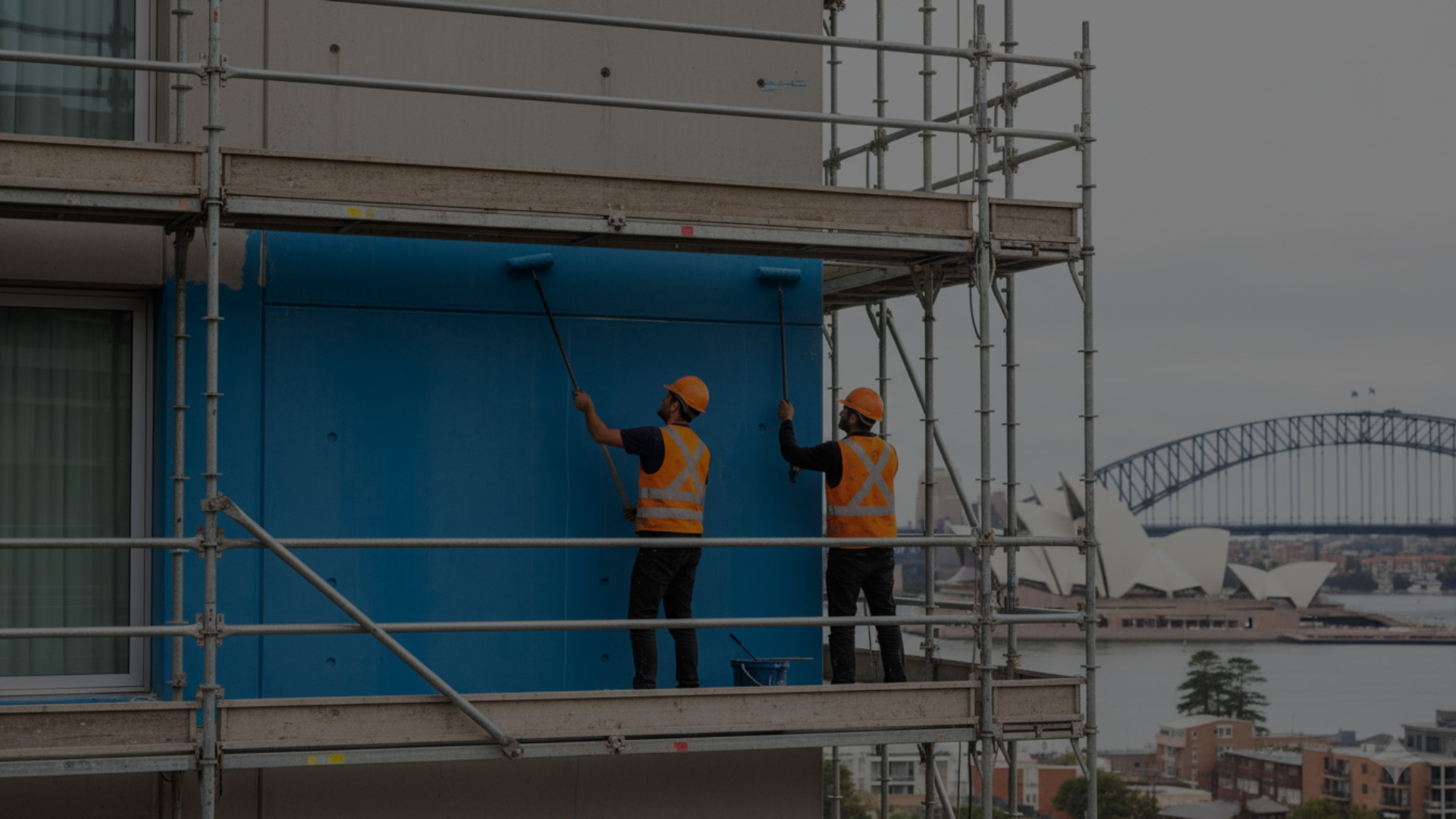
A heritage building's structural framework is its backbone — but unlike modern constructions, it's often composed of timber, masonry, and early steel that have been standing for over a century. Over time, settlement, moisture ingress, corrosion, and material fatigue can weaken these elements, creating safety risks and accelerating deterioration.
At Atomic Projects, we provide precision-engineered stabilisation solutions that reinforce and protect heritage structures without compromising their historic fabric.
Comprehensive Structural Diagnosis
Before we stabilise, we diagnose. Our engineers and heritage specialists conduct:
- Load Path Analysis – Determine how weight and forces move through the structure to identify weak points.
- Material Strength Testing – Assess existing timber, stone, brick, and steel for load-bearing capacity.
- Deflection & Movement Monitoring – Use crack gauges, laser scanning, and structural sensors to track ongoing movement.
- Hidden Corrosion Detection – Non-destructive testing (NDT) to locate concealed steel corrosion inside masonry.
Targeted Stabilisation Techniques
- Timber Beam & Joist Replacement
- Remove deteriorated members and replace with heritage-matched timber or concealed steel for added strength.
- Use splice repairs where possible to retain original fabric.
- Steel Corrosion Treatment & Replacement
- Remove rusted steel lintels, beams, and ties.
- Treat with anti-corrosion coatings or replace with stainless steel alternatives.
- Masonry Reinforcement
- Insert concealed stainless-steel rods or helical bars within brick/stone to distribute load and arrest cracking.
- Underpinning & Foundation Strengthening
- Mini-piling or traditional underpinning to stabilise subsiding sections of the building.
- Wall Tie & Anchorage Systems
- Install stainless wall ties or discreet anchor plates to stabilise bulging walls without visible disruption.
Minimal Intervention, Maximum Strength
We apply heritage-led engineering principles:
- Preserve as much original material as possible.
- Make interventions reversible where feasible, ensuring future restorers can work without obstruction.
- Conceal modern reinforcement within traditional finishes so the visual character remains untouched.
Compliance & Safety
- Works comply with Australian Standards for Structural Design (AS 1170 series) and Heritage Council approvals.
- Detailed method statements and photographic documentation for conservation records.
- Collaboration with heritage architects and structural engineers throughout.
Benefits of Structural Stabilisation
- Prevents Collapse – Addresses critical safety hazards before they escalate.
- Extends Lifespan – Strengthens the building for decades without intrusive rebuilds.
- Preserves Heritage Value – Maintains both appearance and historic authenticity.
- Enables Adaptive Reuse – Makes older structures safe for modern occupancy or conversion.
Why Choose Atomic Projects
- Dual Expertise – Our team bridges heritage craftsmanship with advanced structural engineering.
- Specialist Access Equipment – Allows safe work on fragile and restricted heritage sites.
- Long-Term Guarantee – Structural works backed by warranties and inspection reports.
- Council & Heritage Liaison – Full handling of permits, reports, and on-site compliance.
Frequently Asked Questions
How do I know if my heritage building has a structural problem rather than just superficial cracking?
Superficial cracking typically follows predictable patterns — shrinkage cracks in plaster or render, hairline cracks at paint joints — and does not widen over time. Structural cracking is often diagonal, steps through mortar joints, is wider than 2mm, and may be accompanied by visible wall movement, door or window frames out of square, or floor deflection. If cracks are new, widening, or paired with other symptoms, a structural engineer's inspection is warranted. We can arrange a combined heritage and structural assessment.
Can heritage buildings be underpinned without damaging the original fabric?
Yes — modern mini-piling techniques allow foundations to be strengthened with minimal disturbance to the building above. Mini-piles are installed through small-diameter boreholes using equipment that can operate in confined spaces. This contrasts with traditional mass concrete underpinning, which requires excavation in alternating bays beneath the footing and is more disruptive. We work closely with geotechnical and structural engineers to select the appropriate technique for each heritage building's substrate and structural conditions.
What is the difference between wall ties and crack stitching, and when is each used?
Wall ties connect the outer leaf of a cavity wall to the inner leaf. They are used when cavity wall ties have corroded and the outer leaf is at risk of separating or bulging. Crack stitching, by contrast, involves inserting stainless steel helical bars across an existing crack to tie the masonry together and prevent further movement. Wall ties address instability between leaves; crack stitching addresses cracking within a single leaf or element. Both are discreet, minimally invasive techniques well-suited to heritage buildings.
Do stabilisation works need to be reversible?
Heritage conservation principles — particularly the Australia ICOMOS Burra Charter — encourage reversibility wherever practicable. This means interventions should be designed so they can be removed or modified in the future without further damage to original fabric. In practice, fully reversible structural interventions are not always possible, particularly for underpinning or major reinforcement. Where irreversible works are necessary, we document the rationale thoroughly and ensure interventions are at least compatible with original materials and do not preclude future conservation works.
Who needs to approve structural stabilisation works on a heritage-listed building?
For locally listed heritage items, the local council is the consent authority. For State Heritage Register items, the NSW Heritage Office must be consulted. Emergency stabilisation works to prevent imminent collapse can often proceed with notification rather than prior consent, but must still be documented and reported. We manage the approval process end-to-end, preparing method statements, engineering reports, and heritage impact assessments for submission to the relevant authority.
Related Services
When you choose Atomic Projects for Structural Stabilisation, you're choosing more than just reinforcement — you're safeguarding a piece of history, ensuring it remains structurally sound and visually authentic for generations to come.