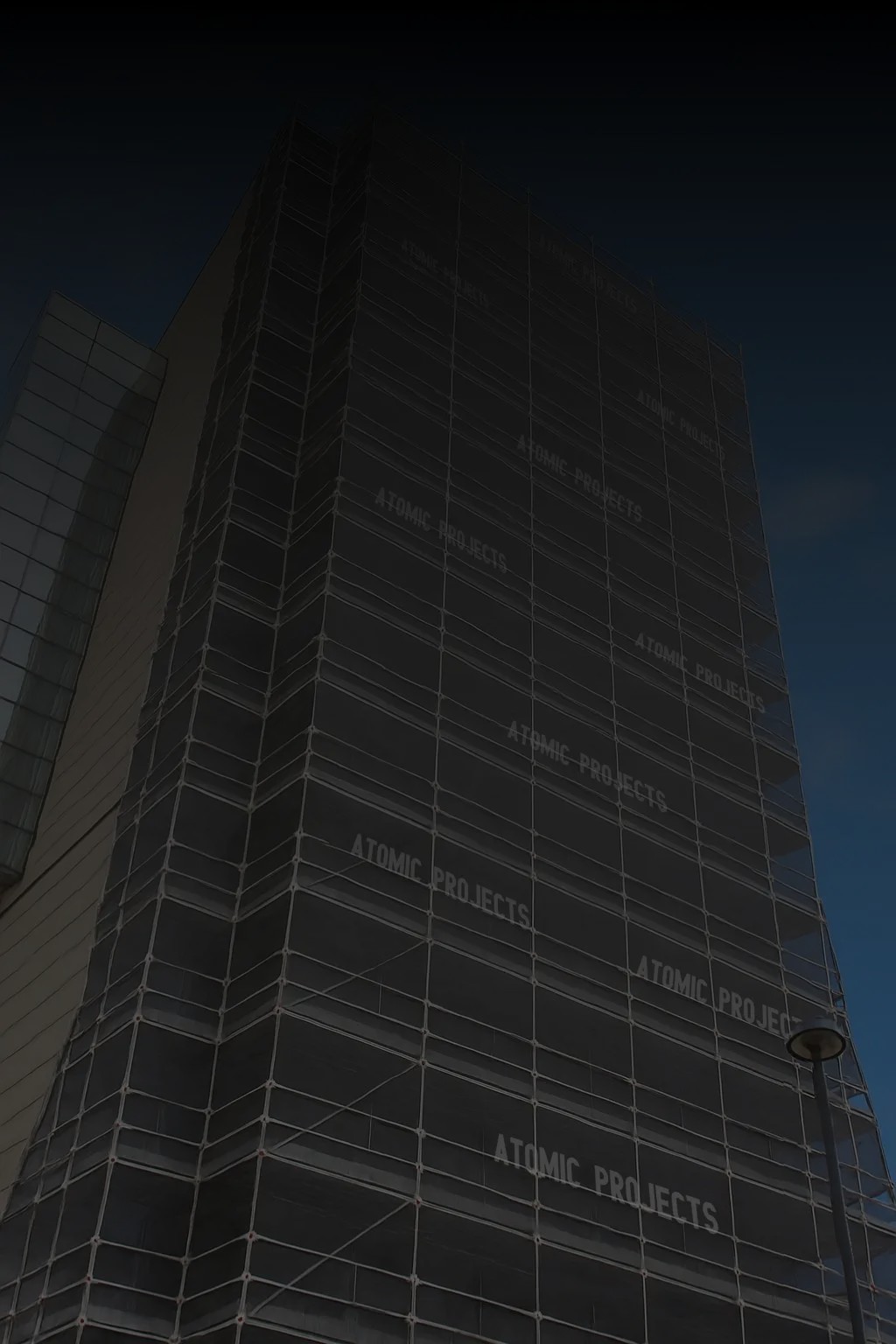
Non-compliant aluminium composite panels (ACP) are a fire risk.
They’re also banned from use on many buildings — and insurers, fire engineers, and certifiers are demanding immediate action.
ACP panels were once a common choice for Australian facades. But with flammable cores and poor fire separation detailing, they’ve become one of the biggest fire compliance risks in the built environment.
At Atomic Projects, we help you get ahead of the problem. Our Combustible Cladding Replacement service is built for strata, consultants, and project managers who want a clean, compliant solution — delivered safely and with complete documentation from start to finish.
1. Scope of Works & Building Types Covered
We replace combustible cladding across a wide range of assets, including:
- Apartment buildings (low- and high-rise)
- Mixed-use commercial buildings
- School, aged care and healthcare facilities
- Government and public buildings
Our works typically include:
- Removal of existing non-compliant ACP panels
- Substrate inspection and re-battening (if required)
- Installation of NCC-compliant, fire-rated cladding systems
- Integration with sarking, flashings, and waterproofing
- QA documentation, photo records, and ITPs
- Liaison with fire engineers and certifiers
2. Materials & Systems Used
We install certified, non-combustible cladding products that meet NCC and insurance requirements.
These include:
- MondoClad: Solid aluminium panel system
- Ceramapanel: Fibre cement cladding with architectural finish
- Vitracore G2: Fire-rated aluminium composite panel with FR core
- NCP / Alspec / Fairview: As specified by your consultant.
All systems are installed per manufacturer guidelines, with:
- Class 4 mechanical fixings
- Breather sarking and vapour barriers
- Compliant cavity detailing
- Thermal and acoustic separation as needed
3. Installation Process
Our step-by-step delivery process:
- Site assessment and drone facade scan (optional)
- Access planning — scaffold, swing-stage, or boom
- Panel removal and fire-safe disposal
- Moisture testing and substrate repairs
- Re-battening (if needed) and cavity prep
- Installation of compliant panels and flashings
- QA photo records, checklists, and sign-offs at every stage
4. Compliance & Documentation
At Atomic Projects, we treat documentation as part of the product. Your QA package includes:
- Product compliance certificates
- Fire engineer correspondence and sign-off letters
- Inspection and test plans (ITPs) with hold point records
- As-built photo sets by zone
- Maintenance manual for the new system
This package gives your OC, certifier, and insurer everything they need.
5. Why Atomic Projects
We’ve delivered combustible cladding replacement on residential strata, mixed-use, and commercial assets across Sydney. What sets us apart:
- Class 2 Registered Builder — appropriately licensed for high-rise residential works
- 10+ years in remedial building — we understand the strata context, not just the construction
- Fire engineer relationships — we work with trusted consultants who know our systems
- OC-focused communication — clear progress reporting designed for strata committees
A cladding replacement is one of the most significant capital works decisions an OC will make. We help you get it right: a compliant, fire-rated facade with full traceability and minimal disruption. Combined with clear communication, airtight QA, and engineered detailing, the result is peace of mind from day one to sign-off.
Frequently Asked Questions
How do I know if my building has combustible cladding?
If your building was clad between the late 1990s and 2017, there’s a reasonable chance some panels contain a polyethylene or flammable core. A building inspector or fire engineer can confirm via a lab test — we can coordinate this as part of our initial assessment. The NSW Cladding Taskforce has also published guidance on building types that warrant urgent review.
Who is responsible for organising a cladding replacement — the OC or individual lot owners?
In most cases, the Owners Corporation (OC) is responsible for the building’s common property, which includes the external facade. Cladding replacement is almost always an OC-led project, typically funded through a special levy or capital works fund draw-down. Your strata manager can confirm what falls under the OC’s maintenance obligations.
Will the building need to be vacated during works?
Generally no. In most cases, residents can remain in their apartments throughout cladding replacement. We use scaffold and exclusion zones to manage safety, coordinating panel removal and installation zone by zone to minimise disruption. Work hours are aligned with council approvals and strata by-laws.
What documentation will we receive at project completion?
You’ll receive a complete QA package including product compliance certificates, fire engineer sign-off, ITP records, photographic as-built records, and a maintenance manual. This package is typically required by your insurer and certifier before a final occupancy certificate is reissued.
How long does a combustible cladding replacement take?
A typical mid-rise residential building (8–15 storeys) takes 12–20 weeks from mobilisation to sign-off. Project duration depends on building size and access complexity. We provide a detailed programme at tender stage so the OC can plan levy timing and communicate with residents in advance.