

When the structure's moving — not just the surface.
Cracked and moving slabs, propping, underpinning and structural strengthening — delivered to the engineer's specification, with residents in place and every hold point signed off.
Get a quote





What is structural repair?
Structural repair addresses the load path — the slabs, columns and beams that carry the building. When one of those elements cracks, moves or settles, the problem isn't the crack you can see; it's the load that's no longer transferring the way it was designed to.
We confirm the cause with the structural engineer, prop or support the structure where it's needed, then repair and strengthen in a sequence that keeps the building safe and occupied throughout. Where the concrete itself is spalling or suffering concrete cancer, that's the material pathology side of the work — handled on our concrete repairs page, and scoped together when a job needs both.
6 signs the structure needs attention.
Structural movement rarely announces itself politely. If you can see any of these, get an engineer's eyes on it before it gets worse.
A structural crack doesn't stabilise on its own.
Load doesn't wait. A structure that's moving under load keeps moving — and the scope only grows until it's supported and repaired properly.
Safety risk
A slab or balcony carrying load it can't hold is a life-safety issue the owners corporation owns — and one that can force an evacuation if it's left.
Movement accelerates
A slab cracking under load doesn't settle and stop. The longer it carries the load uncorrected, the bigger the structural scope becomes.
Insurance & compliance exposure
Unactioned structural defects are a known liability on a Class 2 building — and a problem in any future claim, sale or valuation.
Repair structure the safe way — supported first.
We don't repair a moving structure under load. We support it, then fix it, in a sequence the engineer signs off at every stage.
Confirm the cause with the engineer
A structural investigation — monitoring, measurement and the engineer's direction — confirms whether it's load, movement or settlement before any repair is priced.
Support the load before touching the element
Engineered propping, back-propping or shoring carries the load safely so the permanent repair can be staged without risk to the building or its residents.
Repair and strengthen to specification
Crack stitching, strengthening, underpinning or load-path repair — to the engineer's spec and AS 3600 — so the element does its job again. Material pathology like spalling is handled via concrete repairs.
Verify every hold point
Each stage is engineer-verified before the next opens — a documented QA trail your committee and certifier can audit, the way defect rectification should be closed out.
The types of structural work we do.
Load, movement and support — each scoped on its own or as part of a staged structural programme over an occupied building.
Why our structural repairs hold.
The cheap quote fills the crack and hopes. Here's what doing it properly actually means for your building.
The proof is in the projects.
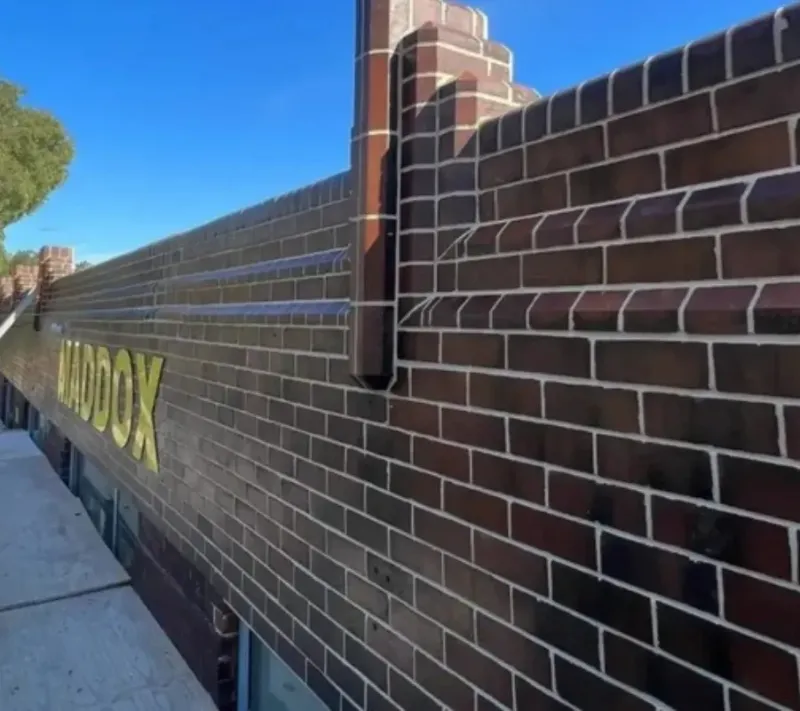
Heritage Warehouse — Alexandria
Bricks were detaching from a heritage facade directly above the street. Full restoration program — repointing, brick replacement, crack stitching with stainless steel helicals, and corbel rebuilds. Facade stabilised in two months with zero compromise to the building's original character.
"Bricks were literally falling onto the footpath. They made it safe within days and then restored the whole facade."
— BUILDING MANAGER, ALEXANDRIA
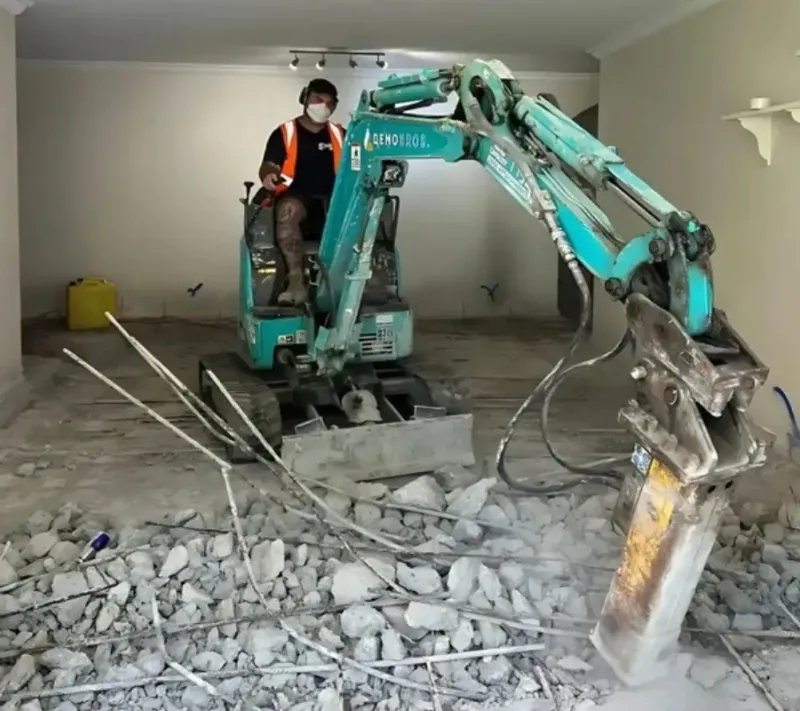
Mid-rise strata — Killara
Slab-on-ground remediation classified as regulated building work under the DBP Act. Delivered under a Class 2 registered practitioner with declared designs from the appointed engineer, compliance declarations at each stage, and a clear audit trail from design through to construction — every hold point signed off before the next zone opened.
"They handled the compliance paperwork as tightly as the structural work. Every declaration, every sign-off — all in order before we even asked."
— STRATA MANAGER, KILLARA
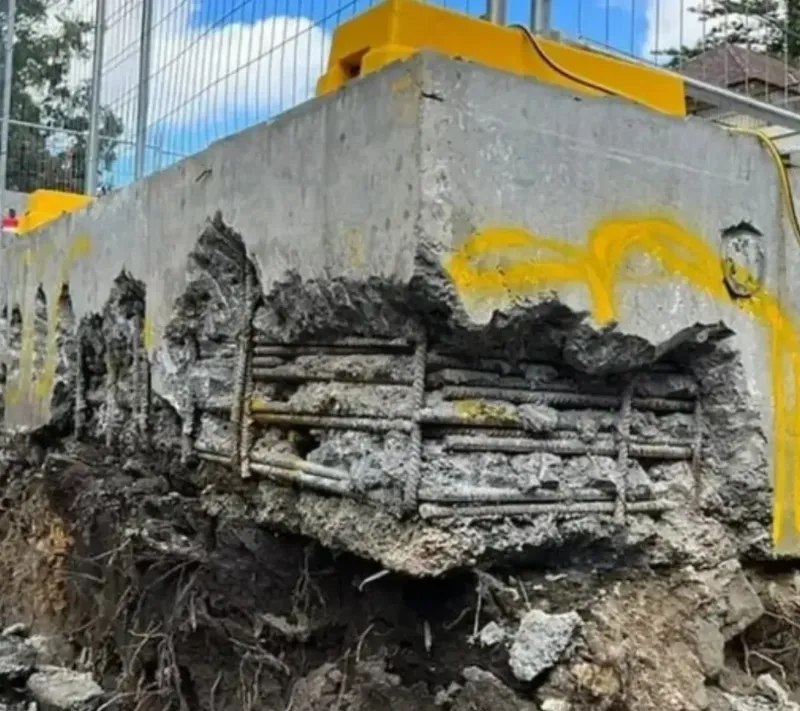
Residential pool — Vaucluse
During a renovation, a structural engineer found active concrete spalling at four locations in the pool structure. We removed the drummy concrete, applied anti-corrosion treatment to the reinforcement, and reinstated every patch with structural repair mortar. Once cured we rendered the surface flat, ready for the owner's waterproofing and tiling — three weeks, residents kept informed throughout.
"Spalling fixed across four pool locations and the render left ready for our tiler. Professional, tidy, and they kept the other residents informed the whole way through."
— OWNER, VAUCLUSE
Engineer-directed. Verify everything.
Structural work is the one area you can't afford a contractor who guesses. Everything we do is directed and signed off by the engineer.
From first call to fixed scope — engineer-checked.
Send the engineer's report you have, or describe the cracking and movement.
Within 24 hrsWe attend with — or alongside — the engineer to confirm cause and load.
Days, not weeksA documented, engineer-verified scope your committee can approve.
Ready for AGMPropped first, repaired stage by stage, residents in place.
On your scheduleWe're a fit for some buildings, not all.
We'd rather tell you upfront than waste your committee's time.
This is for you if…
- You have an engineer's report identifying structural cracking, movement or settlement.
- A slab, beam, column or footing needs propping, strengthening or underpinning.
- The building is occupied and works must be staged and supported around residents.
- You need DBP-compliant, engineer-verified documentation for your committee and insurer.
- Your project is from around $50K and up.
Probably not us if…
- You want a hairline render crack filled cosmetically with no engineering involved.
- You're after the cheapest patch over visible movement, not a supported repair.
- It's the concrete surface spalling rather than the structure moving — that's our concrete repairs page.
- You need it done this week without an engineer's assessment — we diagnose before we price.
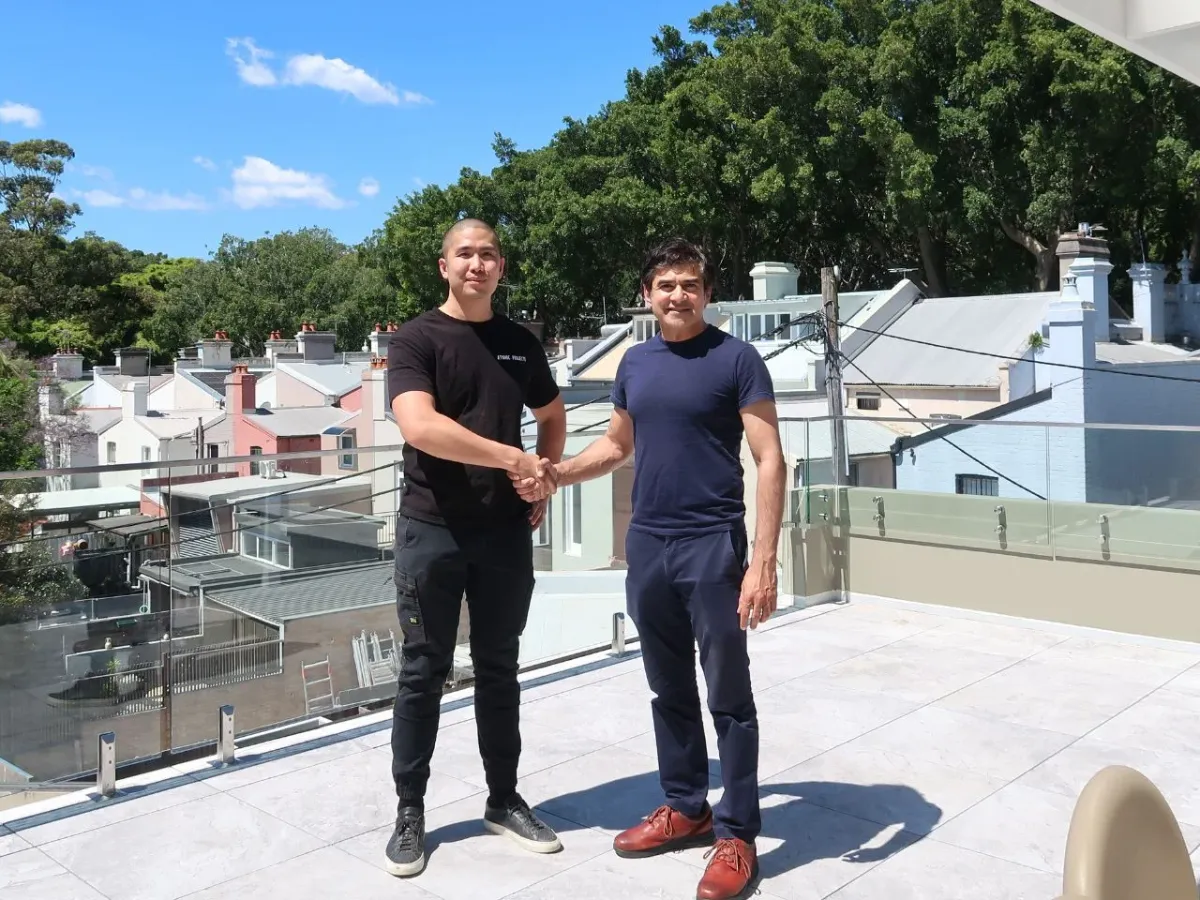
You'll deal with the builder, not a call centre.
Structural work is where corner-cutting actually hurts people, so we don't do it. We work to the engineer's direction, we support the load before we touch the element, and we sign off every hold point. Send me the engineer's report and I'll tell you straight what supporting and repairing it really takes.
What structural repair costs in Sydney.
These are realistic ranges — your fixed price is confirmed after a building investigation, before any work starts.
Crack stitching, localised propping and strengthening.
Slab or beam strengthening and staged structural repair across a building.
Underpinning and structural strengthening programmes on larger buildings.
All scopes are transparent and engineer-verified — no mystery line items, and the structural scope is confirmed before any work starts.
Start with a conversation.
We'll visit your building, confirm the source of the leak, and give you a clear, fixed-price path forward — free, no obligation. We respond within 24 hours.
Get a quote
What your committee will want to know.
Is my crack structural or cosmetic?+
What's the difference between this and concrete repairs?+
Do you have to evacuate the building?+
What is propping and why is it needed?+
How long do structural repairs take?+
What standards do you work to?+
Can you work from our engineer's report?+
Are you registered for regulated structural work?+
How much do structural repairs cost in Sydney?+
Do structural repairs need council approval in NSW?+
What happens in a structural investigation before repairs?+
What warranty do structural repairs come with?+
Who signs off structural repairs when they are finished?+
When the structure's moving, support it first.
Engineer-directed, propped before it's touched, repaired and strengthened to spec — every hold point signed off. Book a free assessment or a 15-min call.