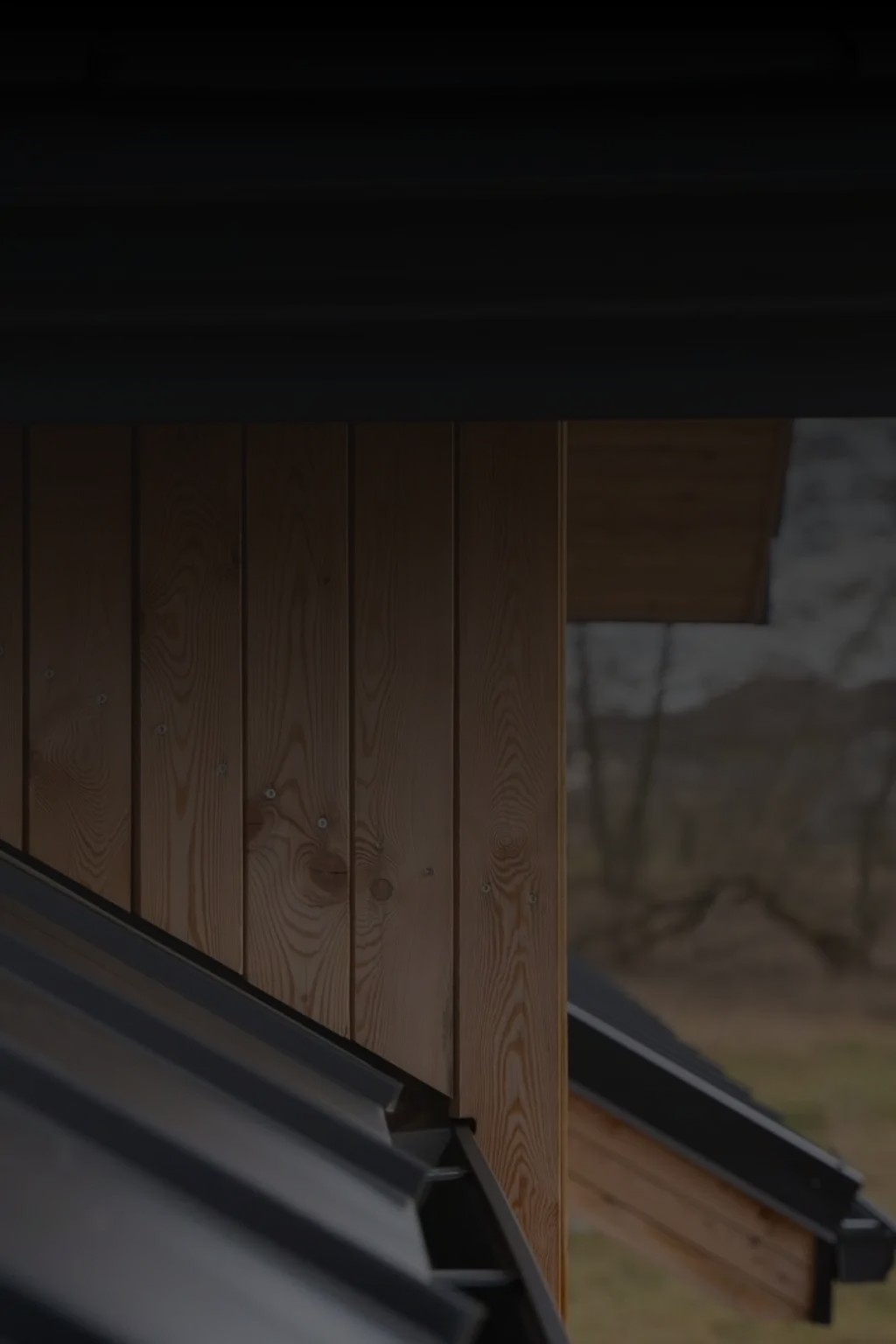
Roof flashings and cappings are the critical seals between your roofing and adjoining structures. Positioned along ridges, valleys, parapets, skylights, and penetrations, they prevent wind-driven rain from breaching the roof envelope. Even the smallest defect — a cracked seal, loose screw, or corrosion pinhole — can lead to leaks that spread through insulation, ceilings, and wall cavities.
At Atomic Projects, we don’t just patch flashing issues — we re-engineer them for long-term resilience. Every repair or replacement is carried out with precision fabrication, premium materials, and an understanding of water flow dynamics under real-world storm conditions.
Our Flashing & Capping Repair Process
- Detailed Inspection
- Identify corrosion, sealant degradation, loose fasteners, or deformation from movement.
- Use drone and close-up inspection to capture hard-to-access areas.
- Substrate Assessment
- Check for rot or corrosion beneath flashings caused by prolonged leaks.
- Rectify any underlying damage before reinstallation.
- Custom Fabrication
- Manufacture replacement flashings from Colorbond Ultra, stainless steel, or copper to match aesthetics and resist corrosion.
- Shape to exact site dimensions for a tight, wind-resistant fit.
- Installation & Sealing
- Fit new flashings with concealed or sealed fixings to reduce penetration points.
- Use high-performance, UV-resistant sealants for joints and overlaps.
- Ridge Capping Repairs
- Remove and re-bed ridge cappings where mortar has cracked or failed.
- Install modern flexible pointing compounds for movement tolerance.
- Waterflow Testing
- Conduct controlled hose testing to verify full watertight performance before handover.
Common Flashing & Capping Issues
- Rust perforation at corners and folds.
- Loose or missing screws from wind uplift.
- Failed sealant at overlaps.
- Inadequate overlap length or coverage.
- Mortar bedding on ridge cappings cracked or missing.
Why Choose Atomic Projects for Flashing Repairs
- Precision Metalwork: All flashings fabricated to exact dimensions for your building.
- Long-Term Sealing Solutions: UV-stable sealants and flexible compounds that outlast standard repairs.
- Integrated Roof Expertise: Repairs coordinated with roof sheeting, membrane, and drainage upgrades.
- Preventative Approach: We identify and address all at-risk flashings in one mobilisation.
When repaired to the right standard, roof flashings and cappings can last decades, protecting your building from the relentless combination of wind, rain, and UV. Done poorly, they become the first point of failure in a roofing system. Atomic Projects ensures they remain your roof’s strongest defence.
Frequently Asked Questions
How do I know if my roof flashings need repair or full replacement?
Signs that flashings need attention include water stains on ceilings near roof edges, visible rust or corrosion on metal flashings, cracked or missing sealant at overlaps, and loose or missing screws. Minor sealant failure can often be repaired in-place, but heavily corroded, deformed, or incorrectly overlapping flashings typically need full replacement to achieve a lasting watertight result. We assess each section on its merits and recommend repair or replacement accordingly.
What materials do you use for replacement flashings?
We fabricate replacement flashings from Colorbond Ultra, Zincalume, stainless steel, or copper depending on location, building aesthetics, and budget. Colorbond Ultra is our most common choice for coastal and urban Sydney environments due to its proven corrosion resistance and colour-matched finish. Copper is specified for heritage or premium projects where longevity and aesthetics are the priority.
Why do ridge cappings fail so often on older buildings?
Traditional mortar-bedded ridge cappings are vulnerable because cement mortar is rigid and can’t tolerate the thermal movement of a roof over time — it cracks, lifts, and eventually allows water entry. On Sydney buildings constructed before the mid-2000s, it’s common to find mortar that has fully failed or weathered away. We replace cracked mortar with flexible pointing compound, which accommodates movement and dramatically extends the life of the cappings.
Can you repair flashings while the building is occupied?
Yes — flashing and capping repairs are relatively low-impact works that don’t require residents to vacate. We manage access carefully, use containment for debris, and schedule high-noise activities within council-approved hours. Residents are notified of scaffold erection and activity zones, and we work systematically to minimise time at each section before moving on.
How long will repaired flashings last?
Properly fabricated and installed flashings using quality materials should perform for 20–30 years in Sydney conditions. The key variables are material specification, joint sealing quality, and fixing method. Our flashings use UV-stable premium-grade sealants at all overlaps and penetrations, and concealed or sealed fixings to minimise future corrosion points.