


NSW deferred the DBP Act extension to remedial work on Class 3 and 9c buildings to 1 July 2028. What was deferred, what already applies to Class 2 today, and how to prepare.
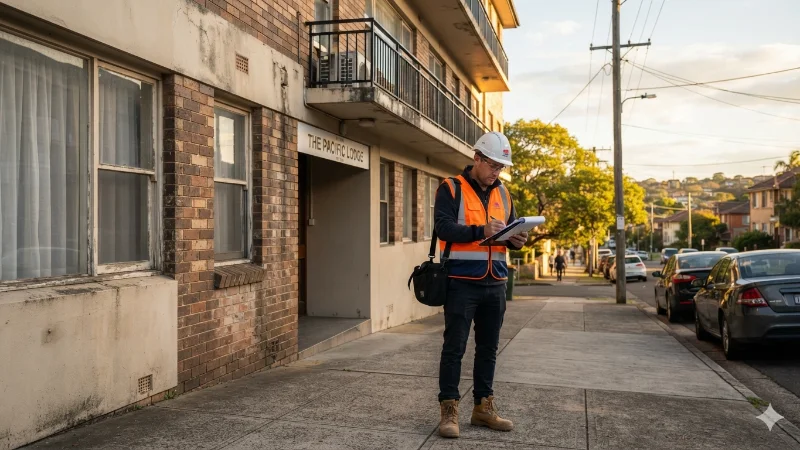
If you own or manage a Class 3 or Class 9c building in New South Wales, here is the current position: the planned expansion of the Design and Building Practitioners Act 2020 (DBP Act) to remedial work on your building class has been deferred. It was due to start on 1 July 2026, but in June 2026 the NSW Government pushed it back two years — it now commences 1 July 2028.
That is not a reason to ignore the DBP framework. If any part of your building is Class 2 (residential apartments), remedial work is already regulated today, and the buildings that prepare early for 2028 will avoid the scramble. Here is what was deferred, what still applies now, and what to do.
On 26 June 2026 the Building Commission NSW confirmed amendments that deferred three requirements otherwise due on 1 July 2026:
The deferral changes nothing for Class 2. Since July 2021 the DBP Act has regulated remedial work on Class 2 residential apartment buildings, and it still applies to alteration, repair and renovation work on existing Class 2 buildings — and mixed-use buildings with a Class 2 part — today. Concrete repairs, waterproofing, facade remediation and structural work must be carried out by a DBP-registered building practitioner, with design by a registered design practitioner, and declarations lodged on the NSW Planning Portal. That is a legal requirement now, not in 2028.
From 1 July 2028 the framework will apply to Class 3 and Class 9c buildings under the National Construction Code. Class 3 covers accommodation for unrelated people — boarding houses and hostels, backpackers, hotels and motels, and student accommodation (but not a Class 1b small guest house under 12 residents). Class 9c covers residential care buildings, including aged-care facilities and nursing homes. Until 2028 the framework is voluntary for these classes — but adopting it early is the safest way to protect the building.
Whether it applies today (Class 2) or from 2028 (Class 3 and 9c), the framework has three core requirements: a registered design practitioner prepares a Construction Issued Regulated Design (CIRD) specifying the work, standards and materials; a DBP-registered building practitioner carries out the work; and both lodge compliance declarations on the NSW Planning Portal before work begins. The portal record is a government-held, auditable trail that becomes evidence if defects emerge later.
For Class 2 work today — and Class 3 and 9c work from 2028 — this is the most important check before you appoint anyone. Search the NSW public register at verify.licence.nsw.gov.au by name or registration number and confirm the registration is current (not expired or cancelled) and that its class matches your remedial work. Ask for the practitioner's professional indemnity insurance certificate too — PI becomes mandatory from 1 July 2027, but many reputable builders already hold it.
The deferral is time to prepare, not a reason to wait. Class 2 owners: the framework applies today — use DBP-registered practitioners, make registration a mandatory tender requirement, and keep each project's Planning Portal lodgement number on file. Class 3 and 9c owners: you have until 1 July 2028, but build DBP verification into procurement now and favour contractors who already work to the framework, so you are ready rather than scrambling. For all buildings, verify registration before appointing, and know your statutory warranty periods — six years for major defects, two for minor.
Atomic Projects is a DBP-registered building practitioner with current professional indemnity insurance and a track record of remedial work across Sydney's strata buildings. We already work to the full DBP framework on Class 2 buildings today — registered CIRDs, portal lodgements and audit-ready documentation — and apply the same discipline to Class 3 and 9c work ahead of the 2028 start. If your building needs remedial work, now or ahead of 2028, get in touch for a no-obligation assessment.
Not yet. In June 2026 NSW deferred it by two years, so it now commences on 1 July 2028. Remedial work on Class 2 residential apartment buildings is already regulated under the DBP Act today.
1 July 2028. It was originally set for 1 July 2026 but deferred a further two years in June 2026.
Not yet — the exemption was extended to 30 June 2027, so PI insurance becomes mandatory for registered building practitioners from 1 July 2027.
Search the NSW public register at verify.licence.nsw.gov.au by name or registration number, confirm the registration is current, and check the class matches your remedial work.

Send photos, the engineer's report, or just the symptoms — whatever you've got. A registered builder reads it and calls you back. No call centre, no obligation.