Atomic Projects facade remediation on a Sydney strata building
Home › Services › Brickwork & Render Repairs
Brickwork & Render Repairs · Sydney

Cracks tell you where to look.

Brick and render repair for Sydney strata and commercial buildings that starts with why it cracked — not just patching what's visible — matched to the substrate and finished to specification.

✓ Class 2 DBP Registered✓ Licence 360636C✓ Matched materials★ 4.7 Google rating
100 +
Buildings
$20M +
Delivered
15 +
Years experience
4.7
Google rating
Get a quote
Tell us about your building. We respond within 24 hours.
We respond within 24 hours. No spam, ever.
Thank you! Your submission has been received!
Oops! Something went wrong while submitting the form.
Start here

What is brickwork & render repair?

Brickwork and render repair fixes the building's masonry skin — cracked or perished brickwork, drummy render, corroded lintels and ties — and, crucially, the reason it failed. Masonry rarely cracks for no reason. It moves, it gets wet, a steel lintel rusts and expands, or a tie corrodes and the outer leaf loses its anchor.

Proper repair reads the cracking to find the cause, fixes it, and then makes good with matched materials so the repair disappears into the wall and doesn't come straight back. Patching a crack without addressing why it cracked just moves the problem along a few bricks.

Patch vs proper repair — the distinction the cracking reveals: a patch fills the crack and matches the paint. A proper repair reads what the crack is telling you — footing movement, a rusting lintel, a failed tie, trapped damp — fixes that cause, then makes good with matched mortar and materials. Fill it without fixing the cause and the same crack reopens, usually within a year.
Know the symptoms

6 signs your brickwork or render needs repair.

Masonry cracks in patterns, and the pattern points to the cause. These are the signs it needs reading and repairing, not just filling.

1
Stair-step cracking through brickworkDiagonal, stepped cracks following the mortar joints usually point to footing or structural movement.
2
Drummy, bulging or cracked renderRender that sounds hollow, bulges or cracks has debonded — water gets behind it and it spreads.
3
Rust staining and cracking over openingsBrown staining and cracking above windows and doors signals a rusting, expanding lintel.
4
Bowing or leaning brickworkAn outer brick leaf that's bowing or pulling away points to corroded wall ties losing their grip.
5
Perished or missing mortar jointsCrumbling, eroded or missing pointing lets water into the wall and weakens the brickwork.
6
Efflorescence and damp stainingWhite salt deposits and persistent damp show water is moving through the masonry it should resist.
⚡ Brickwork bowing or render falling? Treat it as a safety risk and assess now.
Why it matters now

A crack you fill without reading it comes straight back.

Masonry cracking is a symptom. Patch it without fixing the cause and it reopens — and the underlying problem keeps getting worse.

01

Safety risk

Bowing brickwork, loose render and failing lintels above an entry or footpath are a public-safety risk the owners corporation owns — and a council order waiting to happen.

02

The cause keeps working

A rusting lintel, a failed tie or footing movement doesn't stop because you filled the crack. The cause keeps going until it's actually fixed — and the repair grows.

03

Water and asset value

Cracked masonry and perished joints let water into the wall, and the cracking shows up in strata reports and inspections — until it's properly repaired and made good.

Our approach

Read the crack, then repair it.

We don't fill cracks and match the paint. We read what the cracking is telling us, fix the cause, and make good with matched materials.

1

Read the cracking to find the cause

A masonry investigation reads the crack pattern — movement, lintel corrosion, tie failure or damp — before a price is quoted, so the repair addresses the cause, not just the crack.

2

Fix the cause

Replace rusted lintels and shelf angles, renew corroded ties, address movement (with structural repair where it's structural), and treat the damp driving the decay.

3

Repair and repoint with matched materials

Rake out and repair cracked brickwork, repoint with matched mortar, and re-render to a sound substrate — so the repair disappears into the wall.

4

Make good and protect

Finish to match the existing masonry and, where needed, treat against future damp and salt — closed out the way defect rectification should be.

What's covered

The types of brickwork & render work we do.

Masonry repair from cracks to ties — each scoped on its own or as part of a wider facade or building program.

Brick Crack Repair & RepointingRake out, repair and repoint cracked and perished brickwork — matched mortar, cause addressed first.Read more →
Lintel & Shelf-angle ReplacementReplace rusted lintels and shelf angles that are cracking the brickwork above them as they corrode.Read more →
Render Repair & Re-renderingRemove drummy, cracked render and re-render to a sound substrate with the right system for the wall.Read more →
Brick Tie & Wall Restraint RenewalRenew corroded brick ties and restraints so the outer leaf stays anchored to the structure.Read more →
Heritage & Matched Masonry RepairSensitive brick and stone repair with matched materials and approved methods for protected buildings.Read more →
Efflorescence & Damp TreatmentTreat the salt and damp driving brickwork decay — not just the staining it leaves behind.Read more →
Why Atomic

Why our masonry repairs don't reopen.

The cheap quote fills the crack and matches the paint. Here's what reading the cause first means for your building.

What matters
Atomic Projects
Typical contractor
Diagnosis
Crack pattern read for the cause
× Fills the crack, ignores the cause
The repair
Cause fixed — lintel, tie, movement
× Cosmetic fill over the symptom
Materials
Matched mortar and render
× Whatever's on the truck
Finish
Disappears into the wall
× Visible patch, mismatched
Sign-off
Documented and made good
× No QA trail
Our work

The proof is in the projects.

Heritage brick warehouse facade in Alexandria after repointing and crack stitching — Atomic ProjectsHeritage Brick Remediation

Heritage Warehouse — Alexandria

Bricks were detaching from a heritage facade directly above the street. Full restoration program — repointing, brick replacement, crack stitching with stainless steel helicals, and corbel rebuilds. Facade stabilised in two months with zero compromise to the building's original character.

"Bricks were literally falling onto the footpath. They made it safe within days and then restored the whole facade."

— BUILDING MANAGER, ALEXANDRIA
2Months
0Heritage lost
$250KProject Value
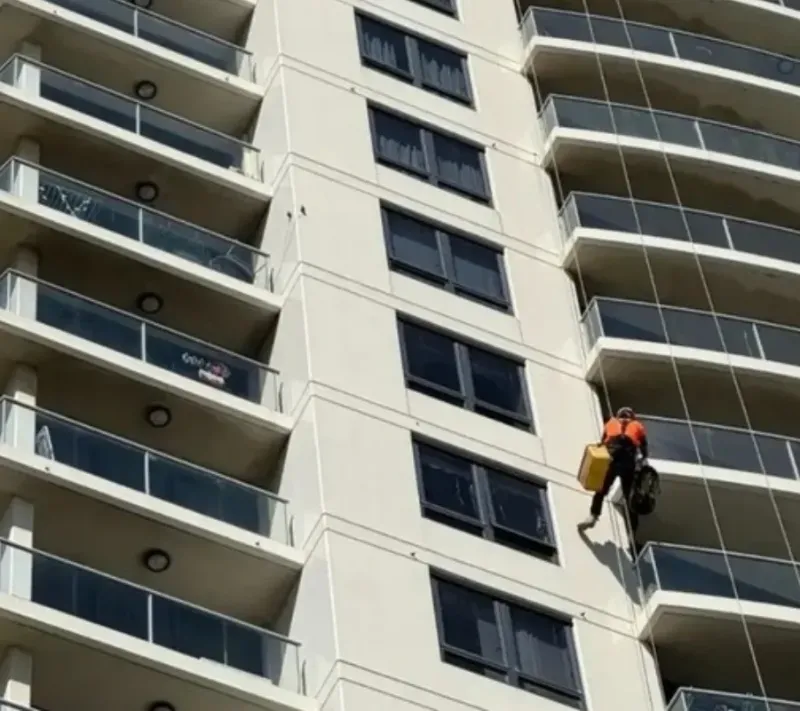
High-rise strata facade in St Leonards during rope-access concrete spalling repair — Atomic ProjectsHIGH RISE RENDER Repairs

High-rise strata — St Leonards

Render on the facade directly above a busy footpath — falling debris risk to the public. Rope access and catch nets allowed targeted breakout, drummy render removal and concrete rebar treatment, and mortar repairs without scaffolding or street closures. Done in two weeks.

"They had rope access teams on the facade within days of our call. No scaffolding, no street closures, no drama."

— BUILDING MANAGER, ST LEONARDS

2Weeks
0Safety incidents
$100KProject Value
Miranda high-rise balcony waterproofing project — Atomic ProjectsRENDER AND  CONCRETE REPAIRS

Mid-rise strata — Randwick

Concrete slabs with severe drummy render, steel corrosion and concrete spalling. Steel corrosion had compromised the balcony render — water was leaking through the voids with rebar corroding behind the surface. All drummy render was removed to sound substrate, reinforcement was treated with zinc, high-strength concrete and render re-applied and the slab was restored for the long term.

"They worked level by level so nobody had to move out. Render and concrete across three floors fixed in five months, with no complaints."

— STRATA Manager, RANDWICK

3Levels
5Months
$500KProject Value
Risk reversal

Cause-fixed and matched. Verify everything.

Most masonry repairs reopen because the last contractor filled the crack and left the cause. We read it, fix it, and match it.

Cause read before we repairWe read the crack pattern to find why it's failing — so the repair addresses the cause, not just the symptom.
Class 2 DBP — Licence 360636CVerify us on the NSW Fair Trading register before you call. We'd rather you check.
Matched materials and mortarRepairs finished with matched mortar and render so they disappear into the existing wall.
Documented and made goodA QA paper trail and a finish your committee can stand behind.
We'd rather you check than take our word for it.
What happens after you enquire

From first call to fixed quote — cause read first.

1
You enquire

Send any reports, or just describe the cracking and where it is.

Within 24 hrs
2
Masonry assessment

We read the crack pattern and confirm the cause behind it.

Days, not weeks
3
Fixed-price scope

A documented scope that fixes the cause and makes good, ready for the committee.

Ready for AGM
4
Staged works

Cause fixed, brickwork repaired and repointed, render made good — residents in place.

On your schedule
Is this you?

We're a fit for some buildings, not all.

We'd rather tell you upfront than waste your committee's time.

This is for you if…

  • You manage or own a strata or commercial building with cracking brickwork or failing render.
  • You want the cause of the cracking read and fixed — not just the crack filled.
  • The building is occupied and works need to be staged around residents.
  • You need DBP-compliant documentation and a matched, made-good finish.
  • Your project is from around $30K and up.

Probably not us if…

  • You want a single crack filled and painted over with no diagnosis.
  • You're after the cheapest cosmetic patch to get through the next inspection.
  • It's a minor domestic repointing job under a few thousand dollars — a local bricklayer is a better fit.
  • You need it done this week without an assessment — we read the cause before we price.
The cracks above our windows kept coming back no matter who filled them. Atomic worked out it was the lintels rusting, replaced them, repaired the brickwork and matched it perfectly. Two years on, not a single crack has reopened.
CH
Strata CommitteePeriod building, Chippendale
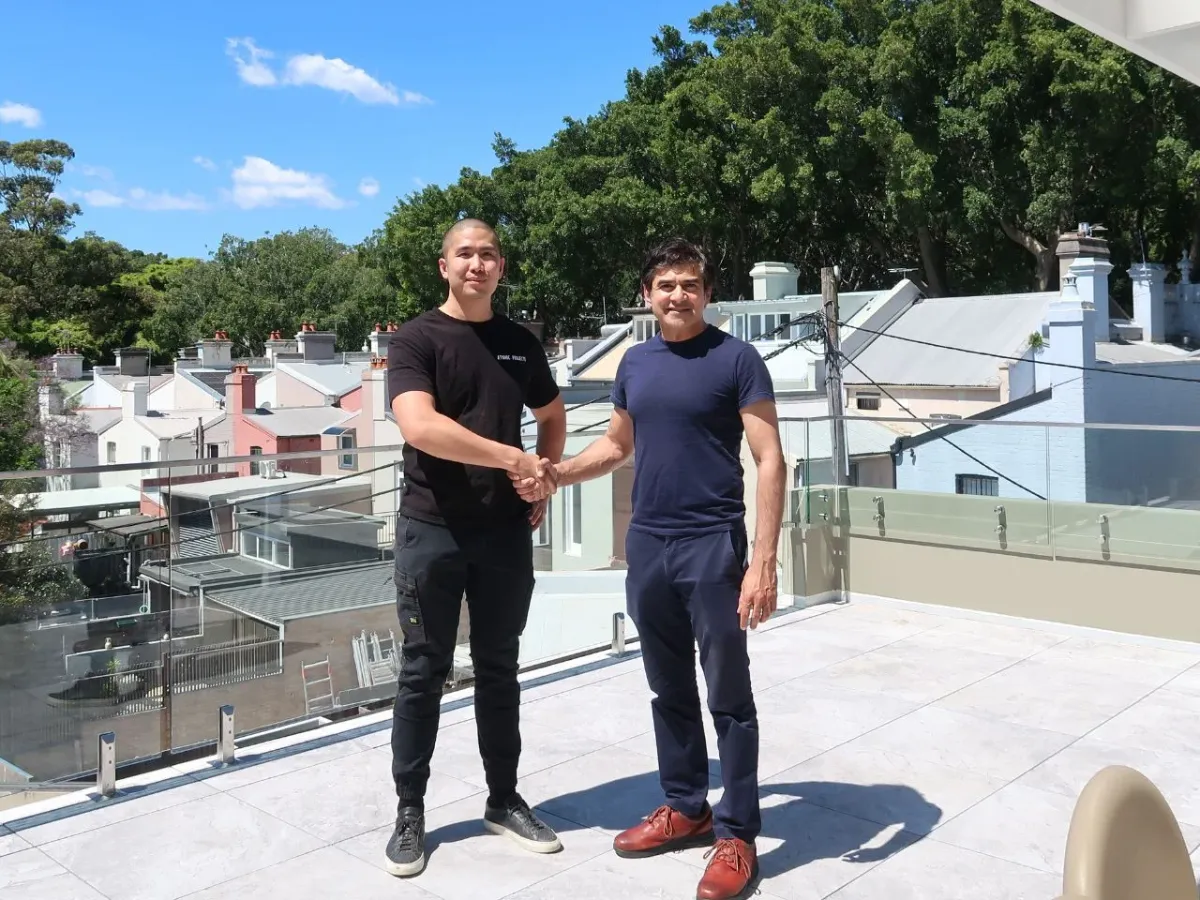
Atomic Projects founder on a Sydney remedial building site
Who you're dealing with

You'll deal with the builder, not a call centre.

Brickwork talks to you if you read it — the crack pattern tells you whether it's a lintel, a tie or movement. The cheap operators fill it and match the paint, and it's back within a year. We fix the cause and match the materials so the repair disappears. Send me a photo of the cracking and I'll tell you what it's likely telling us.

— The Atomic Projects founderClass 2 DBP registered builder · Licence 360636C
Straight answers on price

What brickwork & render repair costs in Sydney.

These are realistic ranges — your fixed price is confirmed after a building investigation, before any work starts.

Localised
$30k–$100k

Targeted crack repair, repointing and lintel replacement to defined areas.

Mid-scale
$100k–$400k

Brick and render repair across a building facade or multiple elevations.

Major
$400k–$1m+

Building-wide masonry repair, re-rendering and tie-renewal programmes.

Cost depends on the cause, extent and access — which is why we read the cracking and confirm the cause before we price, so the repair holds.

Start with a conversation.

We'll visit your building, confirm the source of the leak, and give you a clear, fixed-price path forward — free, no obligation. We respond within 24 hours.

Get a quote
Tell us about your building. We respond within 24 hours.
We respond within 24 hours. No spam, ever.
Thank you! Your submission has been received!
Oops! Something went wrong while submitting the form.
Common questions

What your committee will want to know.

Why does my brickwork keep cracking?+
Because the cause hasn't been fixed. Masonry cracks for a reason — footing or structural movement, a rusting lintel expanding above an opening, corroded wall ties, or trapped damp. Filling the crack without addressing that cause just moves the problem along. We read the crack pattern first to identify why it's happening.
What's the difference between this and structural repairs?+
This page covers masonry — brickwork, render, pointing, lintels and ties. Where the cracking is driven by structural movement of the building — a moving slab or settling footing — that's structural repair, and we scope the two together when a job needs both.
Will the repair match the existing brickwork?+
Yes — matching matters, especially on older and heritage buildings. We repoint with matched mortar and repair with matched brick, stone and render so the work disappears into the existing wall rather than standing out as a patch.
What causes render to crack or fall off?+
Render debonds (goes drummy) when water gets behind it, when the substrate moves, or when it was poorly applied. Once it's cracked or hollow, water gets in and the failure spreads. We remove the failed render, repair the substrate, and re-render with the right system for the wall.
Can you replace rusted lintels?+
Yes. Rusting steel lintels and shelf angles are a very common cause of cracking above windows and doors — as the steel corrodes it expands and lifts the brickwork. We replace the lintel, repair the affected brickwork and make good, so the cracking stops at the source.
Do you do heritage brickwork?+
Yes. Heritage and period masonry needs matched materials and approved methods — we handle the sensitive repair, repointing and stonework that protected buildings require, in keeping with the existing fabric.
How long does masonry repair take?+
Localised crack repair and repointing can be a couple of weeks; a building-wide brick and render program runs months. The cause-confirmed scope sets the program, and works are staged so the building stays occupied.
Are you registered for regulated work on our building?+
Yes — Class 2 DBP registered, Licence 360636C, verifiable on the NSW Fair Trading register. Structural masonry work on Class 2 buildings is regulated under the DBP Act. What's regulated →
How much does brick and render repair cost in Sydney?+
It depends on the wall area, how much material is drummy or structurally compromised, and the access required to reach it. Small repointing scopes cost far less than full-elevation render replacement, and larger masonry programs on strata buildings typically sit within the $200K to $2M+ remedial range. Use the estimator for a first figure, then price a defined scope.
Is cracked render dangerous?+
It can be. Cracked render lets water behind the surface, and once sections go drummy they can detach and fall, which is a real hazard above entries, footpaths and balconies. Rusting lintels and failed brick ties produce similar risks in the masonry behind. If render is bulging or pieces have already dropped, treat it as a safety issue and have it assessed.
Do brick and render repairs disturb residents?+
Less than most remedial trades, but expect grinding noise while failed mortar joints are raked out and drummy render is removed, plus dust controls on the affected elevations. The work happens outside your walls, residents stay in place, and exclusion zones protect the areas below. Notices go out before the noisy phases so you can plan around them.
What is repointing and when does brickwork need it?+
Repointing means raking out failed or eroded mortar joints and refilling them with mortar matched to the original in strength and colour. Brickwork needs it when joints are cracked, powdery or washed out, because open joints let water into the wall and accelerate brick and lintel decay. Done properly it restores weatherproofing without replacing the bricks themselves.
What warranty applies to masonry repairs?+
Masonry and render repairs carry a defects liability period after handover, typically 12 months, alongside the statutory warranties that apply to residential building work in NSW. Materials are matched and documented as part of the works records, so if a repair needs attention during the warranty window, you report it through your strata manager and it is made good at no cost.

Read the crack. Fix the cause. Match the repair.

The cause read first, lintels and ties fixed, brickwork repaired and repointed, render made good with matched materials. Book a free assessment or a 15-min call.

Book your free assessment →
or call 0410 515 509
Book a 15-min call
No obligation. We respond within 24 hours.
📞Get a free assessment →
Call NowGet a quote →