


Strata insurance in 2026 is splitting in two: well-maintained buildings get competitive cover, while those carrying defects or combustible cladding face loadings, exclusions and even non-renewal. Here's how building defects drive your premium — and how a certified remediation program brings it back down.
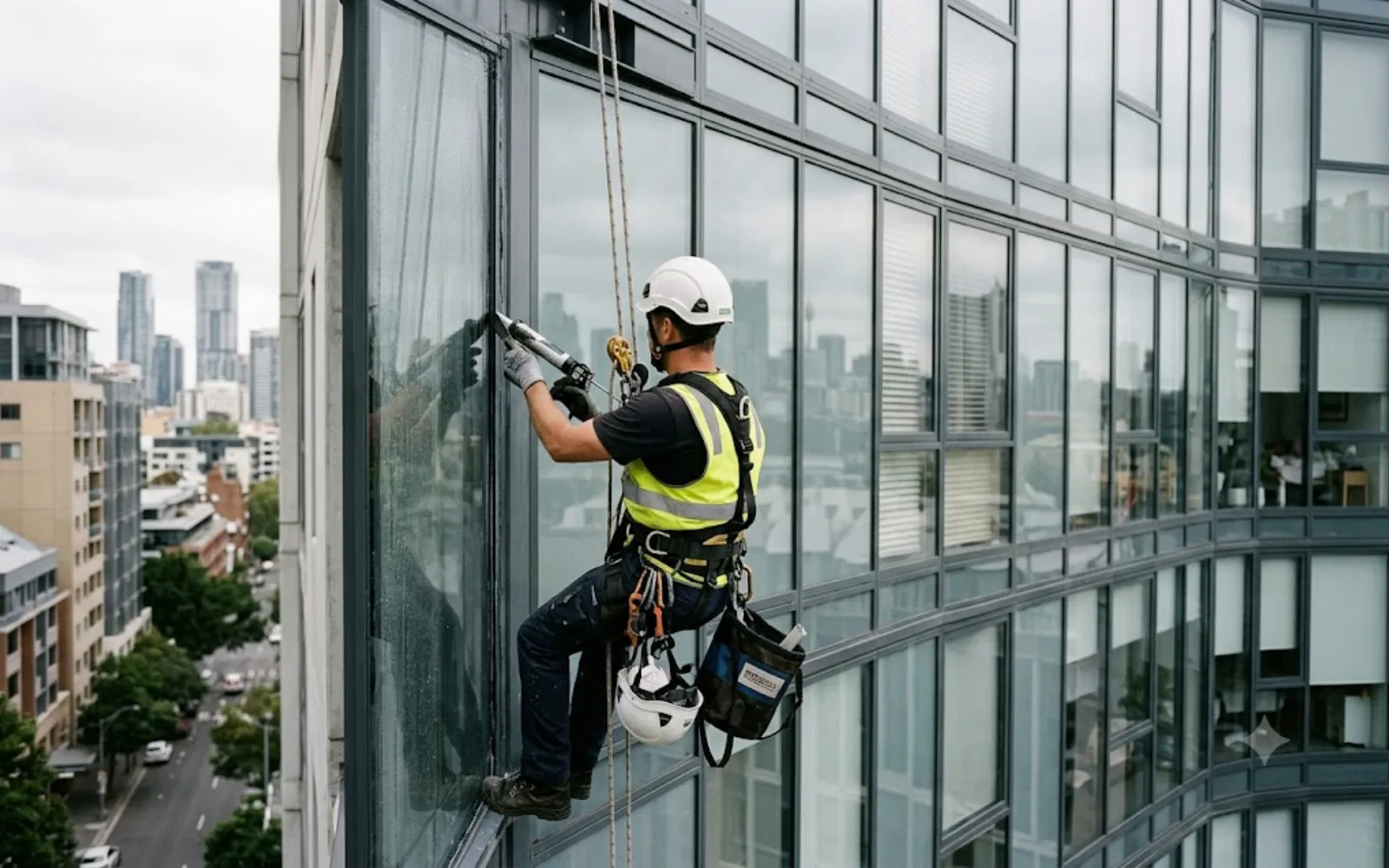
The headline news on strata insurance in 2026 is reassuring. Across the market, average premiums have barely moved. But that average hides a widening split. Buildings that are well maintained are getting competitive cover. Buildings carrying unresolved defects, deferred maintenance or non-compliant cladding are being treated very differently — higher premiums, bigger excesses, defect exclusions, and in the worst cases, no cover at all.
For an owners corporation, that changes the question. The real cost of strata insurance in 2026 depends less on the market and more on the condition of your building. The fastest way to control your premium is often a structured program to rectify the building defects underneath it — and the data now backs that up. It is not a coincidence that more than half of NSW strata buildings carry serious defects at the same time insurers are tightening terms.
Across the market, strata premiums have been relatively stable — CHU's 2025 report put the average rise at about 2.8%, to roughly $981 per lot. For NSW owners corporations, the sharper pressure comes from insurance taxes and excesses, and most of all from building-specific risk: defects, combustible cladding and deferred maintenance.
There are really two layers to what owners corporations are paying. The first is market and tax pressure. In NSW, the Emergency Services Levy loads insurance premiums heavily — the Insurance Council of Australia, citing the 2026-27 NSW Budget, forecasts the levy to draw around $1.5 billion from NSW households and businesses in 2026-27 alone, a 66% increase over five years. As consumer context, Compare the Market data put home and contents quotes across Australia's largest capital cities up almost 15% in the year to June 2026. Strata has been more contained than home insurance, but it is not immune.
The second layer is building-specific, and it is where the average becomes misleading. Two buildings on the same street can pay wildly different premiums based entirely on their defect profile. If you want a single program that addresses the risk driver insurers actually price, that is a full remedial building program, not a better broker.
Yes — insurers price defects directly. CHU's own portfolio analysis found buildings with noted defects carried about a 17% higher premium than like-for-like buildings with none. Severe, structural or safety-related defects push that far higher, and can make cover conditional, heavily excess-loaded, or simply unavailable.
This is the number that matters. CHU, Australia's largest strata underwriting agency, assessed its own portfolio and found an average premium impact of around 17% for buildings with noted defects compared to like-for-like buildings with none. That is the floor, not the ceiling. Underwriters weigh the severity and type of defect, the building's age, any pending legal action, and whether a credible remediation plan exists.
And it is not a rare problem. Industry estimates suggest 75–85% of strata buildings have at least one known defect, and our own read of the NSW research shows a majority carry serious ones. A good strata committee's guide to managing rectification is now, in practice, part of managing your insurance cost.
No. Strata policies almost always exclude the cost of fixing defects. Those are the responsibility of the builder, developer or owners corporation under warranty and building law. Insurance covers sudden, accidental events — fire, storm, impact — not latent building defects. An unresolved defect is therefore both an uninsured liability and a premium driver.
This trips up a lot of committees. People assume that because the building is insured, a defect-related failure will be covered. It usually will not. Residential strata policies generally exclude defects under the property section of cover. Responsibility sits with the original builder or developer under statutory warranties and the Design and Building Practitioners Act framework, or — once those avenues close — with the owners corporation itself.
Worse, a known but unactioned defect can jeopardise a related claim. If water ingress from a defective membrane causes damage, an insurer can argue the loss flowed from a defect you were aware of and failed to address.
Underwriters weigh four things: the severity and type of defect, the age of the building, any pending legal action, and whether a credible, funded remediation plan is in place. A building that can show engaged practitioners and a scope of works is treated very differently from one sitting on an engineer's report nobody has acted on.
The practical lesson is that documentation changes outcomes. An owners corporation that walks into renewal with a current condition assessment, a prioritised scope, and evidence of works underway gives the underwriter a reason to hold or improve terms. Silence, or an open-ended "we're getting quotes," invites a loading. The table below summarises how insurers typically respond across the spectrum.
| Building condition | Typical insurer response | Indicative premium & excess impact |
| No known defects, well maintained | Standard cover, competitive terms | Market rate (CHU average ≈ $981/lot, 2025) |
| Minor defects, documented and being managed | Cover maintained, small loading possible | Modest loading; ~17% average uplift where defects are noted (CHU) |
| Serious structural or waterproofing defects, unactioned | Loadings, higher excesses, defect exclusions | Significant loading plus defect-related exclusions |
| Non-compliant combustible cladding (ACP / EPS) | Exclusions, heavy loadings, or declined cover | Up to ~300% reported for severely affected schemes; possible non-renewal |
Cladding is the sharpest end of the market. Insurers routinely apply cladding exclusions, impose large loadings, or decline cover for buildings with non-compliant aluminium composite panels or expanded polystyrene. Reported premium increases for severely affected schemes have run into the hundreds of per cent. Enrolling in a recognised remediation pathway materially improves insurability.
Since the cladding crisis, insurers have priced this risk aggressively. CHU has publicly warned it may refuse cover, or price it out of reach, for buildings with non-compliant cladding. Industry reporting has cited premium rises of up to 300% for the worst-affected schemes. The path back is remediation: buildings enrolled in a pathway such as Project Remediate, or progressing rectification under the DBP Act, give insurers a reason to re-engage. Disclosing cladding early — rather than hoping it goes unnoticed — also protects your ability to claim.
The owners corporation pays, through levies — both the inflated premium and the cost of fixing the defects. Under the Strata Schemes Management Act 2015, the owners corporation has a duty to properly maintain and repair common property. Deferring the work rarely saves money; it compounds into higher premiums, special levies and, eventually, forced works.
There is no one else to absorb this once warranty periods lapse. Section 106 of the Strata Schemes Management Act 2015 puts an active duty on the owners corporation to maintain common property, and an owner can pursue the OC for loss flowing from a failure to do so. The economics of deferral are poor: every renewal cycle the defect remains, the loading recurs, and the eventual scope usually grows. Newer protections such as the decennial liability insurance now emerging for defects help on new builds, but they do not fix the existing stock already carrying problems.
Over time, yes — and sometimes at the next renewal. Insurers want to see defects managed, not ignored. A completed, certified remediation program removes the risk driver, can lift exclusions, cut excesses and restore competitive premiums. Even demonstrable progress — a funded scope and engaged practitioners — frequently improves renewal terms before the works finish.
This is the part owners corporations tend to underweight. Remediation is not only a safety and compliance exercise; it is a lever on your single largest recurring cost. When the defect that drove the loading is certified as resolved, the justification for the loading goes with it. The key is credibility: works scoped and certified by a Class 2 DBP Registered Building Practitioner, documented properly, and disclosed to the insurer at renewal.
Atomic Projects has delivered more than $20M of remedial works across 100+ Sydney strata buildings — from $50k balcony repairs to $5M-plus facade and structural programs — precisely the scopes that move a building from "declined or loaded" back to "insurable."
Treat insurance renewal and defect management as one process, not two. Get a current defect and condition assessment, prioritise safety-critical items, document a staged remediation plan, and disclose it to your insurer before renewal. Budget for the works now — the premium saving and the avoided special levies usually outweigh the cost of acting early.
A practical sequence for the next 12 months:
The buildings that will pay the least for insurance in 2027 are the ones acting on their defects in 2026.
If your building is facing a loaded renewal, a defect exclusion, or a non-renewal, the problem is rarely the broker — it is the building. Atomic Projects can assess the defects driving your premium and scope a remediation program that restores your insurability. Get a free assessment.

Send photos, the engineer's report, or just the symptoms — whatever you've got. A registered builder reads it and calls you back. No call centre, no obligation.